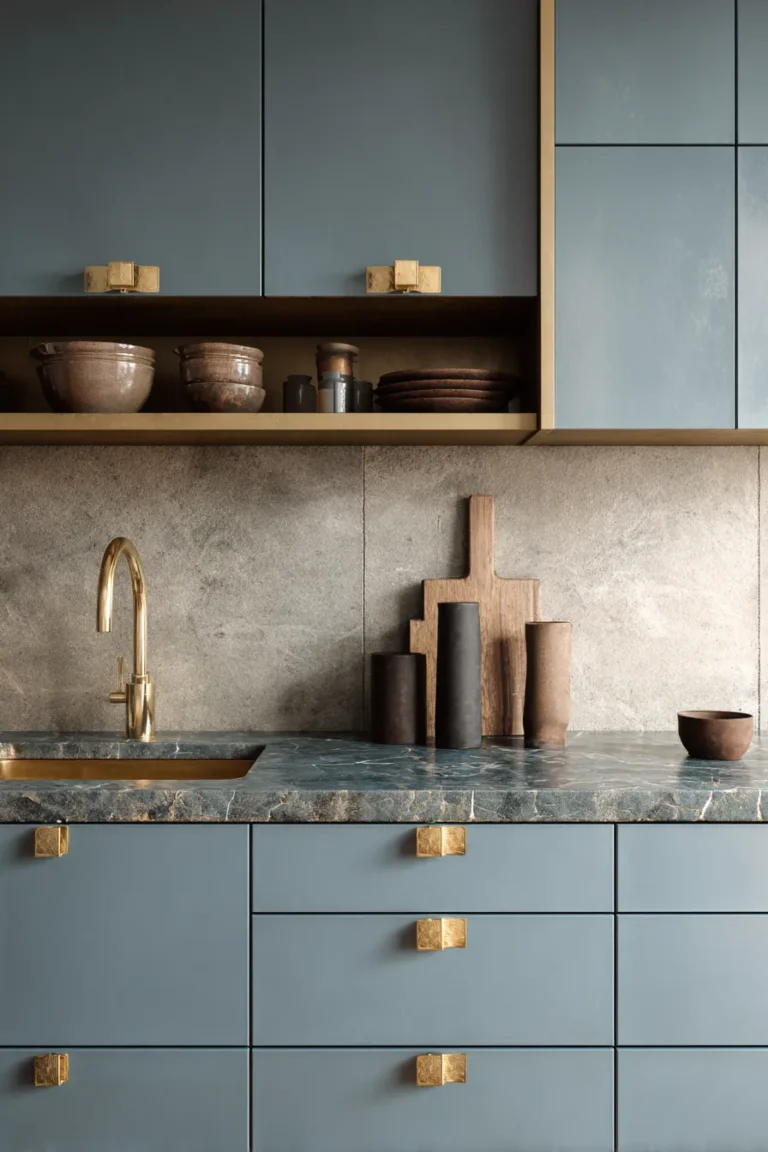
Ever stood at your kitchen sink thinking “this could be so much better”? I spent years battling a too-shallow sink that splashed water everywhere, with a faucet that barely reached the corners. Every dish-washing session felt like a minor frustration. Then I discovered that kitchen sinks aren’t just functional necessities—they’re design opportunities that can genuinely improve your daily life.
Here’s what most people don’t realize: you use your kitchen sink more than any other fixture in your home. We’re talking dozens of times daily—washing dishes, rinsing produce, filling pots, cleaning up spills. A well-chosen kitchen sink that fits your cooking style and space can transform one of the most mundane tasks into something actually pleasant. Whether you’re team farmhouse charm or modern minimalist, there’s a perfect sink waiting to upgrade your kitchen. Let’s explore 15 kitchen sink styles that combine beauty with serious functionality.
Why Your Kitchen Sink Choice Actually Matters
Before we dive into specific styles, let’s talk about why this decision deserves your attention. Your sink affects everything from how efficiently you cook to how your kitchen looks. A too-small sink means constant dish pile-ups. The wrong material shows every water spot. Poor installation leads to leaks and damage.
The right sink, though? It makes meal prep smoother, cleanup faster, and your kitchen more valuable. Plus, unlike appliances that hide behind cabinet doors, your sink is always visible. It’s a major design element whether you realize it or not.
Think about your cooking habits. Do you hand-wash lots of dishes? You need depth and space. Love to meal prep? A double bowl sink lets you multitask. Hosting dinner parties? A large single basin handles big pots and serving platters effortlessly.
1. The Classic Farmhouse Sink (Timeless Charm Meets Function)

Let’s start with everyone’s Pinterest favorite: the farmhouse sink. Also called apron-front sinks, these beauties feature a deep basin with an exposed front panel that extends slightly past your cabinets. They’re not just trendy—they’re incredibly practical.
Farmhouse sinks are deep (typically 9-10 inches compared to standard 8 inches), which means fewer splashes and room for those massive roasting pans. The front-facing installation eliminates the cabinet lip you’d lean against with standard sinks, saving your back during long dish sessions.
Material options include:
- White fireclay for that classic country look
- Stainless steel for modern farmhouse vibes
- Cast iron for traditional durability
- Copper for warm, living patina
The exposed apron front becomes a design focal point in your kitchen. Choose a contrasting color to make it pop, or match it to your counters for a subtle integrated look. Just know that farmhouse sinks require special cabinet modifications, so factor that into your budget and timeline.
2. The Undermount Sink (Sleek and Easy to Clean)

Want that seamless, modern look? Undermount sinks install beneath your countertop, creating a smooth transition from counter to basin. No raised lip means you can wipe crumbs and spills directly into the sink without obstacles.
This style works beautifully with stone countertops like granite, quartz, or marble. The clean lines create an upscale, contemporary aesthetic that makes your kitchen feel more expensive. Plus, cleanup is genuinely easier—one swipe from counter to sink, done.
Undermount installation does require professional help since the sink needs to be securely attached to the underside of your countertop. The edge of your counter material is fully visible around the sink opening, so make sure your countertop edges are finished beautifully. This style pairs perfectly with modern kitchen designs where clean lines and minimalism reign.
3. Top-Mount (Drop-In) Sink (Budget-Friendly Classic)

The top-mount sink (also called drop-in) is probably what you grew up with. The sink has a visible rim that sits on top of your countertop, creating a lip around the edge. While it’s not the trendiest option, it’s practical and budget-friendly.
Benefits of top-mount sinks include easier installation (often DIY-friendly), compatibility with any countertop material, and lower costs. They’re also easier to replace since you’re not dealing with adhesive and supports underneath the counter.
The downside? That rim collects gunk and makes wiping directly into the sink slightly annoying. But modern designs have minimized the rim profile, making them look sleeker than the chunky options from decades past. For rental properties or budget renovations, top-mount sinks are smart, practical choices.
4. Stainless Steel Sink (The Workhorse Champion)

Let’s talk about the most popular sink material in America: stainless steel sinks. There’s a reason they dominate—they’re durable, affordable, heat-resistant, and match virtually any kitchen style from industrial to traditional.
When shopping for stainless sinks, gauge matters. Lower gauge numbers mean thicker steel. Look for 16 or 18 gauge for home kitchens—anything higher (like 22 gauge) dents and makes that tinny noise when water hits it.
Stainless steel benefits:
- Resists heat, stains, and chips
- Lightweight and easy to install
- Budget-friendly across all price points
- Low maintenance (just wipe and go)
The potential drawback? Water spots and scratches show on some finishes. Choose brushed or satin finishes rather than mirror-polish to minimize this. Add sound-dampening pads underneath to reduce that loud metallic noise. Quality stainless steel sinks can last 15-20 years easily, making them excellent value for money.
5. Double Bowl Sink (Multitasking Magic)

Need to wash dishes on one side while prepping vegetables on the other? Enter the double bowl sink. These divided basins let you multitask like a pro, which is why they’re the go-to choice for serious home cooks.
Double bowl configurations vary. Equal-sized bowls offer maximum flexibility. Offset bowls (one large, one small) give you a spacious basin for big items plus a smaller prep area. Low-divider designs let you still fit large items across both bowls when needed.
This style works especially well if you don’t have a dishwasher or prefer hand-washing. One side becomes your wash basin, the other for rinsing and drying. You can also use one bowl for defrosting meat while using the other for regular tasks—keeping raw and ready-to-eat items safely separated.
The trade-off? Two smaller bowls means neither can fit your largest pots and pans as easily as a single large basin. Think about your actual cooking style before committing.
6. Single Bowl Sink (Maximum Space Freedom)

Sometimes more is actually less. A single bowl sink provides one large, uninterrupted basin—perfect for fitting oversized cookware, baking sheets, and roasting pans. If you love to cook big meals or host dinner parties, this might be your ideal setup.
Modern single bowl sinks run 30-36 inches wide and 9-10 inches deep, giving you room to maneuver even the largest items. You can add an over-the-sink cutting board or colander when you need to multitask, getting double-bowl functionality without the permanent divider.
This style particularly suits smaller kitchens where a double bowl might feel cramped, or larger kitchens where you’ve got multiple prep areas and don’t need the division. Pair it with a tall pull-down kitchen faucet that gives you maximum reach and spray options.
7. Granite Composite Sink (Beauty Meets Toughness)

Want the look of natural stone without the maintenance headaches? Granite composite sinks blend crushed granite with resin, creating an incredibly durable, beautiful surface that resists scratches, chips, and stains better than any other material.
These sinks come in stunning colors—black, gray, beige, brown—that can complement or contrast with your countertops. The matte finish hides water spots beautifully, and the material is non-porous so bacteria can’t penetrate. They’re also quieter than stainless steel when water hits them.
Composite sinks do cost more than stainless steel but less than natural stone. They’re heat-resistant (though you shouldn’t place screaming-hot pots directly in them) and incredibly low-maintenance. A quick wipe-down keeps them looking brand new for years. This material works beautifully in modern kitchens where you want a sophisticated, matte aesthetic.
8. Fireclay Sink (Vintage Durability)

Fireclay sinks are crafted from molded clay that’s fired at extremely high temperatures, creating a smooth, glossy, incredibly hard surface. These are the classic white farmhouse sinks you see in vintage kitchens—except modern versions come in various colors and styles.
Fireclay is seriously tough. It resists scratches, chips, and stains better than porcelain or enamel. The glossy surface stays bright white (or whatever color you choose) for decades without yellowing or fading. Heavy pots won’t crack it, and acidic foods won’t stain it.
The weight is substantial—these sinks are heavy and require proper cabinet support. They’re also pricier than stainless steel or composite options. But if you want that classic, timeless look with modern durability, fireclay delivers. The smooth surface makes cleaning incredibly easy—just wipe and it looks pristine.
9. Cast Iron Enamel Sink (Colorful Tradition)

Remember your grandmother’s colorful kitchen sink? That’s probably cast iron with porcelain enamel coating. These classic sinks feature heavy cast iron coated with a baked-on enamel finish that comes in beautiful colors beyond basic white.
Cast iron sinks are incredibly durable and quiet—that heavy iron absorbs sound beautifully. The smooth enamel surface resists most stains and cleans easily. You can get them in vintage colors like mint green, sunny yellow, or classic almond, or modern neutrals like graphite and biscuit.
The downsides? They’re extremely heavy (requiring reinforced cabinets), and the enamel can chip if you drop something heavy on it. Once chipped, the exposed iron underneath can rust. They also show scratches more than other materials. But for that retro charm or traditional aesthetic, cast iron enamel is hard to beat.
10. Copper Sink (Living, Breathing Beauty)

Want a sink that literally changes and develops character over time? Copper sinks develop a natural patina that shifts from bright copper to rich bronze to deep chocolate brown, creating a unique, living finish that’s never quite the same twice.
Copper is naturally antimicrobial—it actually kills bacteria on contact. It’s also incredibly durable and won’t rust or corrode. The warm metallic tones add instant warmth and personality to kitchens, working beautifully in rustic, industrial, or eclectic spaces.
Here’s what to know about copper:
- Requires special care (no harsh chemicals)
- The patina will vary based on water chemistry and use
- More expensive than standard materials
- Each sink is unique with hand-hammered details
If you love the idea of your sink developing character and personality over the years rather than just aging, copper might be your perfect match. Just understand it requires a bit more mindful maintenance than stainless steel. FYI, waxing it occasionally helps protect the patina you love. 😊
11. Workstation Sink (The Command Center)

The workstation sink is relatively new but gaining serious popularity. These sinks come with integrated accessories—cutting boards, colanders, drying racks—that fit perfectly over the basin, transforming your sink into a full prep station.
Imagine this: you’re washing lettuce in a colander that sits over your sink (water drains directly down), then you slide the colander aside and position a cutting board to chop vegetables (scraps go straight into the disposal below). Everything happens in one efficient zone.
Workstation sinks typically feature:
- Ledges inside the basin to hold accessories
- Multiple accessories included (cutting boards, racks, colanders)
- Deep basins to accommodate the accessories plus working room
- Commercial-grade construction
This style is perfect for small kitchens with limited counter space or for anyone who wants maximum efficiency. The integrated accessories are designed specifically for your sink, so they fit perfectly and don’t slide around.
12. Bar/Prep Sink (The Secondary Star)

Not every sink needs to be your main workhorse. Bar or prep sinks are smaller secondary sinks (typically 15-20 inches) installed in kitchen islands, wet bars, or prep areas. They’re perfect for rinsing produce, getting water without walking to the main sink, or giving helpers a separate workspace.
These compact sinks work brilliantly in large kitchens where you want multiple work zones, or in open-plan spaces where the island becomes a secondary prep area during parties. Guests can refill drinks without crowding the main cooking area.
Size and style should complement your main sink but don’t need to match exactly. Many people choose a small round or square bar sink in stainless steel since it’s versatile and practical. Position it away from the main cooking zone to maximize usefulness and prevent traffic jams during meal prep.
13. Corner Sink (Using Awkward Spaces)

Got an awkward corner in your kitchen layout? A corner sink turns that challenging space into functional real estate. These sinks are designed specifically for corner installations, either as diagonal units or L-shaped configurations.
Corner sinks free up valuable straight counter space for prep work while utilizing a spot that’s often wasted or difficult to use efficiently. They work especially well in smaller kitchens where every inch counts, or in oddly-shaped kitchens where standard layouts don’t flow well.
The main challenge is cabinet access—the corners of base cabinets are notoriously difficult to reach. But modern corner sink cabinets often include clever storage solutions like lazy Susans or pull-out drawers that maximize the available space. You’ll need a faucet with good reach to cover the entire sink area comfortably.
14. Integrated Sink and Countertop (Seamless Luxury)

The ultimate in sleek, modern design: integrated sinks where the sink and countertop are one continuous piece with no seams or joints. This is most commonly done with solid surface materials like Corian or quartz.
The benefits are obvious—no seams means no place for dirt, grime, or water to collect. Cleaning is as easy as wiping one continuous surface. The look is undeniably luxurious and contemporary, perfect for modern minimalist kitchens.
This option requires professional fabrication and installation since the sink and counter are created as one unit. It’s more expensive than standard sinks but creates a truly custom, high-end look. The sink bowls tend to be shallower than standard sinks since they’re carved from the same material as your countertop thickness.
15. Apron-Front Stainless Steel Sink (Modern Farmhouse Fusion)

Can’t decide between farmhouse charm and stainless steel practicality? The apron-front stainless steel sink gives you both. It features the exposed front panel of a traditional farmhouse sink but in durable, low-maintenance stainless steel.
This style bridges traditional and contemporary aesthetics beautifully. The apron front makes a design statement while the stainless steel keeps things practical and easy to maintain. It works in everything from modern farmhouse to industrial to transitional kitchen styles.
These sinks combine the depth and ergonomic benefits of farmhouse sinks with the durability and affordability of stainless steel. You get that signature farmhouse look without the maintenance concerns of white fireclay or the expense of copper. Many come with sound-dampening technology to minimize that metallic noise.
Choosing the Right Kitchen Faucet for Your Sink
Your sink choice should influence your kitchen faucet selection. A large farmhouse sink pairs beautifully with a tall gooseneck or commercial-style faucet. Undermount sinks look sleek with modern single-handle designs. Double bowl sinks need faucets with good reach to access both basins comfortably.
Consider these faucet features:
- Pull-down or pull-out sprayers for maximum flexibility
- Touchless activation for hands-free operation
- Multiple spray settings (stream, spray, pause)
- Finish that matches your hardware and appliances
The faucet height should be proportional to your sink depth. Deep sinks can handle tall faucets, while shallow sinks need lower profiles to prevent splashing. Make sure the spout reach extends to all areas of your sink—measure before buying.
Installation Considerations and Costs
Undermount sinks require professional installation and only work with solid countertop materials—expect to pay $200-500 for installation. Farmhouse sinks need cabinet modifications and professional installation, adding $300-800 to your project. Top-mount sinks are the most DIY-friendly, often costing under $100 to install if you’re handy.
Material costs vary wildly:
- Stainless steel: $100-$1,000
- Composite granite: $200-$600
- Fireclay: $400-$1,200
- Cast iron: $300-$800
- Copper: $800-$3,000+
Remember to budget for the faucet, disposal (if needed), and any plumbing modifications. A complete sink replacement project typically runs $500-$2,500 including materials and installation, though luxury options can exceed $5,000.
Maintaining Your Kitchen Sink
Different materials need different care. Stainless steel sinks benefit from regular buffing with mineral oil to maintain luster and prevent water spots. Composite and granite sinks just need soap and water but avoid abrasive cleaners. Copper sinks should never see harsh chemicals—just mild soap and soft cloths.
General maintenance tips:
- Rinse after each use to prevent buildup
- Deep clean weekly with appropriate cleaners
- Avoid leaving standing water for extended periods
- Use sink grids to protect the bottom from scratches
- Fix drips immediately to prevent staining
A well-maintained sink can last 15-30 years depending on material and quality. That’s a lot of dishes, making your choice genuinely impactful on your daily life.
The Bottom Line on Kitchen Sinks
Your kitchen sink is one of the hardest-working elements in your home. Choosing the right style, material, and size for your specific needs makes cooking, cleaning, and daily kitchen tasks genuinely more pleasant. Whether you go for classic farmhouse charm, sleek undermount modern, or practical stainless steel, the best sink is one that fits your lifestyle and makes you happy every time you use it.
IMO, invest in the best quality you can afford—you’ll use this fixture multiple times every single day for years to come. Think about your actual cooking and cleaning habits, not just what looks pretty on Pinterest. Consider maintenance requirements honestly. And don’t forget that the right faucet pairing is almost as important as the sink itself.
Ready to upgrade that outdated or dysfunctional sink? Start by measuring your current cabinet space and thinking about what frustrates you most about your existing setup. Then choose a style that solves those problems while matching your aesthetic. Your future self—the one washing dishes tonight and every night after—will definitely thank you! 🚰