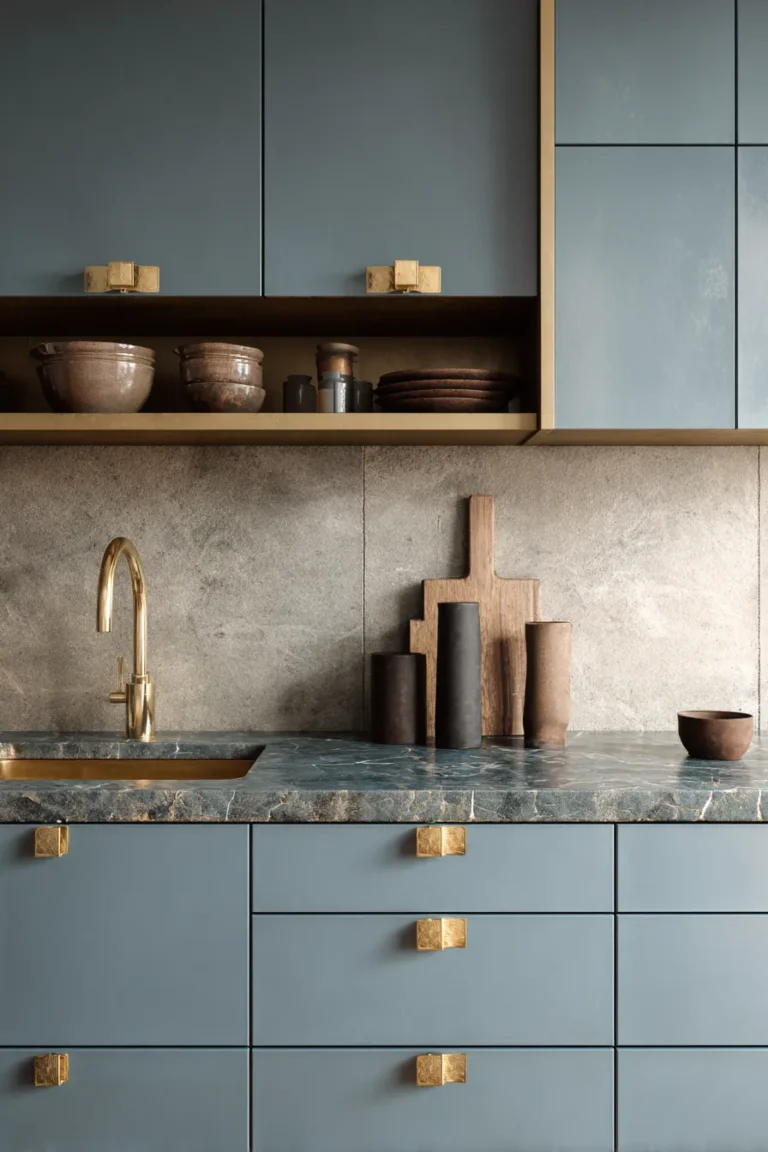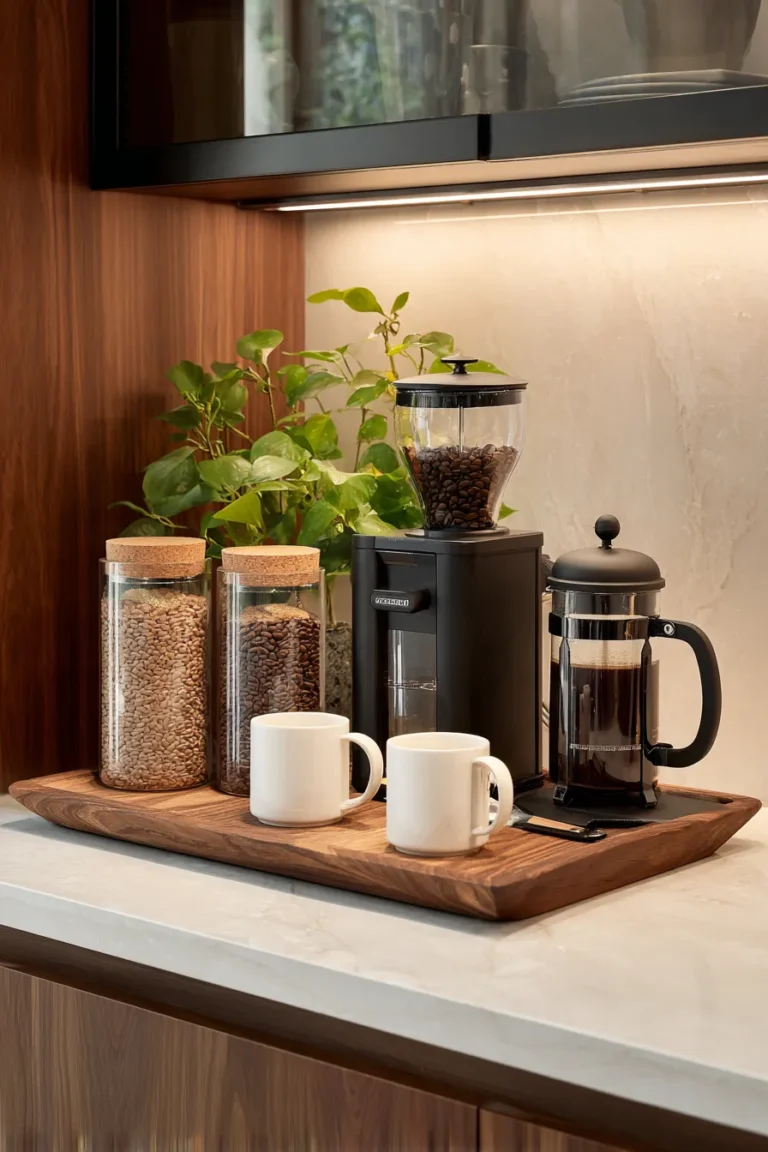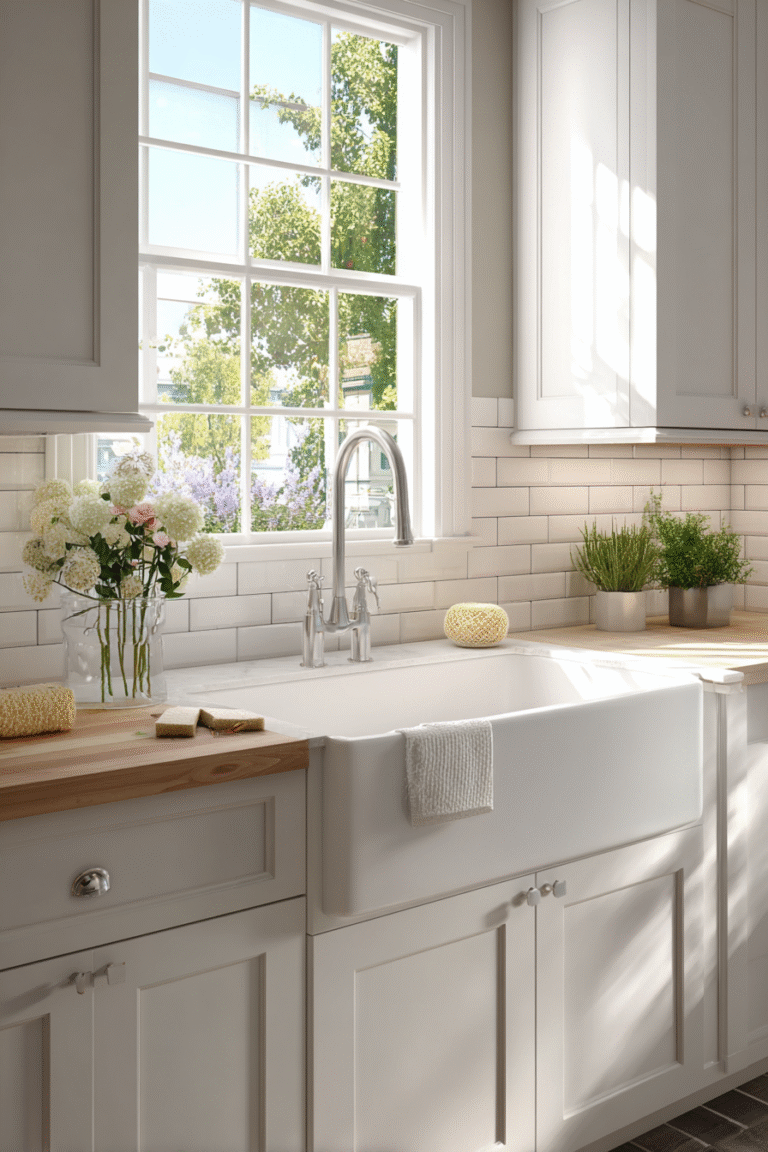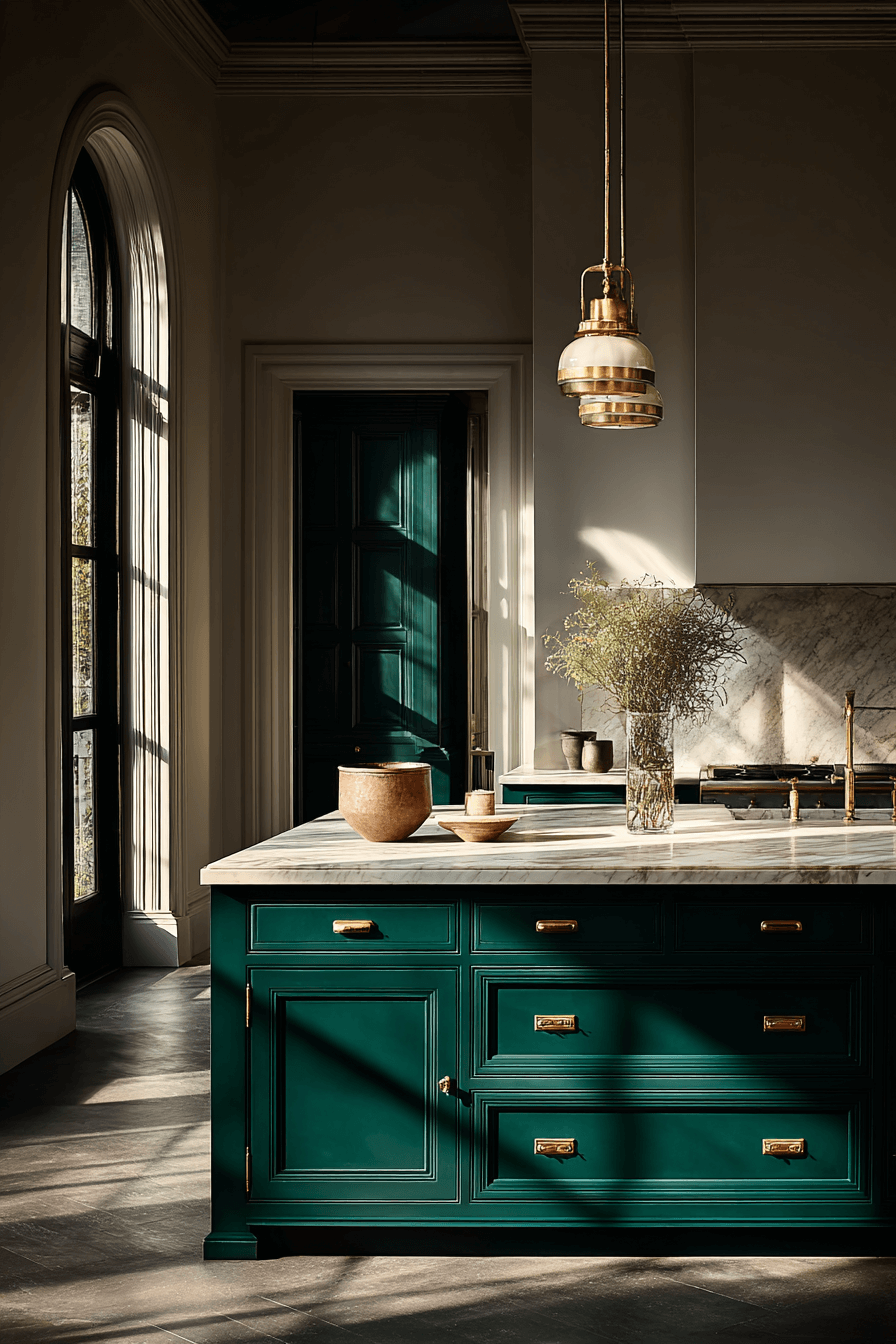
The kitchen island has transcended its humble origins as a mere prep station to become the undisputed architectural anchor of the modern home. It is where culinary function meets high-end furniture design, acting as a social bridge between the chef and the guests. In 2025, the “all-white laboratory” look is fading, replaced by islands that feel curated, organic, and intensely personal.
We are seeing a shift toward “textural contrast” and “layered design”—philosophies that prioritize depth and tactile variety over sterile uniformity. Whether you are working with a sprawling open floor plan or a compact city apartment, the right island design can ground your entire home aesthetic. If you are looking to overhaul your culinary space, these modern kitchen ideas will help you envision a room that is as beautiful as it is functional.
Here are 12 defining kitchen island trends that expert stylists are using right now.
1. Waterfall Countertops

A seamless cascade of stone that transforms cabinetry into sculpture.
The waterfall countertop remains one of the most powerful gestures in interior design. By extending the countertop material vertically down the sides of the island to the floor, creating a crisp 90-degree angle, you achieve a sleek, encapsulated look. This design choice effectively conceals the utilitarian “gable ends” of your cabinets, transforming the island from a standard storage unit into a monolithic piece of art. It creates a calming visual loop that grounds the island, making it perfect for open-concept homes where the kitchen is visible from the living area.
From a practical standpoint, the waterfall edge serves as durable armor. In high-traffic zones, wooden end panels are vulnerable to scuffs from shoes, pets, and vacuum cleaners. A waterfall side, executed in quartz or natural stone, is impervious to these daily assaults. While marble offers unmatched luxury with its book-matched veining, quartz provides superior durability against stains. This architectural feature works exceptionally well in homes that embrace luxury living room design, creating a cohesive flow of high-end materials throughout the main floor.
Design Breakdown:
- Material Choice: Opt for quartz for durability or book-matched marble for dramatic vein continuity.
- The Mitered Edge: Ensure your fabricator uses a precision mitered edge (cut at 45 degrees) to hide the seam where the top meets the side.
- Overhang Protection: If the waterfall edge is near seating, ensure the stone is supported properly to handle the lack of a cabinet base.
- Visual Weight: Use a waterfall edge to anchor a floating open-plan space.
- Flooring Transition: The stone meeting the floor creates a sharp, clean line that looks best against hardwood or large-format tile.
- Color Palette: White marble with grey veining is timeless, but black granite or soapstone creates a moody, modern silhouette.
Best For: Modern, contemporary, and open-concept homes where the island acts as a visual divider.
2. Statement Lighting

Oversized fixtures that act as the “jewelry” of the kitchen.
Lighting is no longer just about illumination; it is the critical vertical element that defines the hierarchy of the room. The trend has shifted decisively away from the traditional row of three small mini-pendants toward bold, oversized sculptural pieces. A single, dramatic linear fixture or a pair of massive pendants can reduce visual clutter while making a stronger design statement. These fixtures anchor the island, signaling that this is the social hub of the home.
The interplay of materials is key here. We are seeing a “mixed metal” approach where brass lighting fixtures warm up stainless steel appliances, preventing the room from feeling one-dimensional. The right lighting creates a “layered” ambience—combining task lighting for prep work with a warm glow for evening entertaining. If you are coordinating your lighting across an open floor plan, consider how these fixtures complement your dining room decor to ensure a harmonious transition between eating zones.
Design Breakdown:
- Scale is Everything: Avoid “dinky” lights. Go for fixtures that are at least 12-18 inches in diameter for a substantial look.
- The Linear Suspension: Use one long linear fixture over rectangular islands to provide even light and a sleek silhouette.
- Height Matters: Hang pendants 30–36 inches above the countertop to keep sightlines clear while maintaining intimacy.
- Material Mix: Try alabaster, woven rattan, or matte black metal to add texture to the ceiling plane.
- Dimmers are Mandatory: Ensure you can switch from bright “prep mode” to moody “cocktail mode” instantly.
- Bulb Temperature: Stick to 2700K–3000K warm white bulbs to keep the food and guests looking their best.
Best For: Rooms with high ceilings or homeowners who want to change the kitchen’s vibe without a full renovation.
3. Open Shelving Ends

Curated “negative space” that breaks up heavy cabinetry.
A solid island, particularly one in a dark color, can sometimes feel like a heavy block in the center of the room. Carving out open shelves—whether on the end caps or the seating side—introduces “negative space” that makes the kitchen feel airier and more approachable. This “cabinetless” aesthetic aligns with the Japandi trend, blending rustic minimalism with functionality. It shifts the island’s role from purely functional storage to a decorative stage for your personality.
However, open shelving requires discipline. It is the perfect place to display your favorite artisan pottery, a stack of beautiful cookbooks, or a touch of greenery. It connects the kitchen to the living space by treating dishware as decor. If you love the look of wall art in the living room, think of these shelves as a 3D version of that—a place to curate a vignette that tells a story about who lives there.
Design Breakdown:
- End-Cap Placement: Install shallow shelves on the short end of the island for cookbooks and decorative bowls.
- The “Knee Space” Niche: Use the back of the island (under the overhang) for display shelves if you don’t need seating there.
- Material Contrast: Use wood shelves against a painted cabinet body to add warmth and definition.
- Styling Rule of Three: Group items in odd numbers (e.g., three ceramic vases) for a balanced visual.
- Color Coordination: Keep displayed items within a strict color palette to avoid a cluttered look.
- Practicality: Store frequently used items like serving platters here so dust doesn’t have time to settle.
Best For: Avid collectors, organized personalities, and smaller kitchens that need to feel more open.
4. Two-Tone Finishes

Using color blocking to create a visual anchor.
The era of the monochromatic kitchen is yielding to the dynamic interest of two-tone cabinetry. This strategy involves treating the island as a separate furniture piece, distinct from the perimeter kitchen cabinets. By painting the island a darker or bolder color, you create a “grounding” effect. In a large room, a white island can feel lost; a Navy, Charcoal, or Forest Green island provides a center of gravity around which family life revolves.
This approach also allows you to experiment with color without committing to a full room of bold paint. A deep navy island paired with crisp white perimeter cabinets is a timeless combination that evokes a nautical or classic luxury feel. It adds depth and dimension, making the kitchen feel like a collected space rather than a builder-grade package. If you are bold enough to try black kitchen ideas, a matte black island is the perfect entry point.
Design Breakdown:
- The Anchor Effect: Choose a darker shade for the island than the surrounding cabinets to “ground” the space.
- Common Pairs: Navy + White, Sage Green + Cream, or Black + Natural Wood.
- Unifying Elements: Use the same hardware (handles/knobs) and countertops on both the island and perimeter to tie the look together.
- Paneling Detail: Add shiplap or beadboard to the back of the colored island to enhance the shadow play of the dark paint.
- Toe Kick: Consider a furniture-style base with legs rather than a recessed toe kick to enhance the freestanding look.
- Finish: Matte or satin finishes look more sophisticated on dark islands than high-gloss.
Best For: Large open-plan kitchens that need a focal point or visual separation.
5. Wood Accents & Butcher Block

Injecting organic warmth into a sterile space.
As technology saturates our lives, interior design is swinging back toward natural materials that offer tactile warmth. Wood accents on the island—whether as a full butcher block countertop or a rift-sawn oak base—soften the clinical feel of stainless steel and stone. A section of end-grain butcher block isn’t just a rustic style choice; it’s a high-performance surface for serious cooks, allowing for direct chopping and prep work that feels satisfyingly tactile.
Beyond the countertop, using natural wood for the island base creates a stunning “hybrid” look when paired with painted perimeter cabinets. It brings a biophilic connection to nature right into the center of the home. This aesthetic pairs beautifully with cozy kitchen ideas, creating a space that feels lived-in and welcoming rather than like a showroom.
Design Breakdown:
- Zoned Chopping Block: Inset a thick chunk of end-grain walnut butcher block into a quartz countertop for a dedicated prep zone.
- Rift-Sawn Grain: Choose rift-sawn white oak for the cabinetry base to get a modern, linear grain rather than the busy “cathedral” grain of the 90s.
- Maintenance: Treat wood tops regularly with food-grade mineral oil to prevent drying and cracking.
- Temperature Contrast: Wood feels warm to the touch, contrasting pleasantly with cold stone surfaces.
- Acoustics: Wood absorbs sound, helping to quiet the clatter of pots and pans in an echoey kitchen.
- Stain Choice: Keep stains matte and natural; avoid orange-toned varnishes for a modern look.
Best For: Home chefs, farmhouse aesthetics, and spaces that feel too cold or industrial.
6. Metal Mesh Inlays

A touch of industrial transparency and texture.
Metal mesh inserts in cabinet doors are migrating from industrial lockers to the high-end kitchen island. This material offers a sophisticated edge, providing texture and a glimpse of what lies within without the total exposure of open shelving. Whether it’s a fine antique brass weave or a bold industrial steel grid, mesh adds a layer of “jewelry” to the cabinetry face.
Functionally, mesh is brilliant for vegetable storage (onions and potatoes need to breathe) or for housing media components that need remote control signals to pass through. It breaks up the monotony of solid wood doors and adds a glimmer of reflection. This detail often bridges the gap between rustic farmhouse and mid-century modern living room styles, adding a hint of vintage charm.
Design Breakdown:
- Weave Density: Choose a tighter weave for a more elegant, obscuring look; choose a wider weave for a rustic, industrial vibe.
- Metal Matching: Coordinate the mesh finish (brass, nickel, bronze) with your faucet and cabinet hardware.
- The “Peekaboo” Effect: Use mesh on the cabinet doors facing the living area to display nice stemware while blurring the details.
- Backlighting: Install soft interior cabinet lighting behind the mesh to create a warm, lantern-like glow at night.
- Texture: The physical texture of the wire adds depth that flat paint cannot achieve.
- Hygiene: Mesh allows airflow, preventing musty smells in cabinets used for food storage.
Best For: Transitional kitchens, industrial lofts, and storing root vegetables or A/V equipment.
7. Textured Bases (Fluted & Reeded)

Rhythmic vertical lines that play with light and shadow.
If color was the trend of the last decade, texture is the definitive trend of 2025. Fluted (concave) or reeded (convex) wood detailing on the island base creates a three-dimensional facade that interacts dynamically with light. These vertical grooves draw the eye upward, making the island feel more like a piece of handcrafted furniture than a block of carpentry.
This trend is particularly effective in neutral kitchens where you want interest without chaos. A white oak fluted island adds immense character without needing a drop of bold paint. It feels tactile and luxurious, often evoking the sophistication of 70s modern design. The rhythm of the wood adds a subconscious sense of order and calm to the room.
Design Breakdown:
- The Curved Edge: Use fluting on curved island corners to soften the flow of traffic in the kitchen.
- Material: Natural wood (oak/walnut) highlights the shadows best, but painted fluting can also look sculptural.
- Maintenance: Be aware that deep grooves catch dust; opt for wider, shallower fluting for easier cleaning.
- Contrast: Pair the busy texture of the base with a very simple, quiet countertop material (like solid white quartz) to avoid visual overload.
- Placement: Apply texture only to the back (seating side) and ends of the island to minimize wear and tear from cooking splatters.
- Lighting: Position ceiling downlights to graze the surface of the fluting, accentuating the shadows.
Best For: Minimalists who want warmth, and tactile-focused interiors.
8. Integrated Seating & Banquettes

Redefining the kitchen as the primary social lounge.
The modern island has largely usurped the formal dining table. Consequently, seating is no longer an afterthought—it is a primary design driver. We are seeing a move toward “conversational seating” where stools wrap around a corner, allowing guests to face each other rather than sitting in a straight line like soldiers.
For a truly custom look, designers are integrating low banquette seating directly into the back of the island. This creates a dual-height structure: a standing-height prep zone on the kitchen side and a cozy, table-height dining niche on the living side. This setup saves space and merges the kitchen seamlessly with the dining room, creating a “hearth” where homework, coffee, and cocktails all happen.
Design Breakdown:
- The Overhang: Ensure a minimum 15-inch overhang for counter-height seating so knees don’t bang against the cabinetry.
- Wrap-Around Layout: Extend the countertop overhang around a corner to facilitate eye contact and conversation.
- The T-Shape: Extend a lower, table-height surface perpendicularly from the island to create a dedicated dining table attached to the prep zone.
- Fabric Choice: If using upholstered stools or banquettes, use performance fabrics (like Crypton) that can withstand spaghetti sauce spills.
- Comfort: Prioritize stools with backs for islands that serve as the main dining area.
- Footrests: Ensure the island base has a durable kickplate or foot rail to prevent scuffing from shoes.
Best For: Families, frequent entertainers, and homes without a formal dining room.
9. Jewel-Toned Cabinets

Deep, saturated hues that evoke luxury and emotion.
While neutrals are safe, jewel tones are memorable. Deep Emerald Green, Sapphire Navy, Amethyst, and Ruby are injecting a sense of luxury and moodiness into island design. These colors are inherently emotional, transforming the kitchen from a sterile workspace into a warm, enveloping room. A jewel-toned island acts as a “gem” in the center of the space, especially when paired with brass hardware and marble tops.
These rich colors work particularly well in balancing light. In a bright white kitchen, a deep green island absorbs some of the glare and grounds the room. If you love the dramatic feel of navy blue bedroom ideas, bringing that same depth into the kitchen creates a sophisticated, cohesive home narrative.
Design Breakdown:
- The Green Trend: Emerald or Forest Green is the “it” color, symbolizing nature and freshness (e.g., Benjamin Moore’s Vintage Vogue).
- Hardware Pairing: Unlacquered brass or gold hardware pops incredibly well against deep blue and green tones.
- Countertop Match: Crisp white stone with bold grey or gold veining provides the necessary brightness to contrast the dark paint.
- Finish: Satin or semi-gloss is preferred; too matte can show fingerprints, too glossy can look plastic.
- Lighting: Jewel tones absorb light, so ensure your pendant lighting is sufficient to illuminate the color.
- Balance: Keep the walls and perimeter cabinets light (creams, whites) to let the island be the star.
Best For: Creating a “wow” factor and adding a sense of heritage or luxury.
10. Dual-Level Countertops

Zoning the mess away from the guests.
The dual-level (or split-level) island is making a comeback, driven by the practical need to separate the “messy” work of cooking from the “clean” act of socializing. This design features a lower prep surface (standard 36 inches) and a raised bar surface (42 inches). The raised bar acts as a visual shield, hiding dirty dishes, chopped ingredients, and general clutter from guests sitting in the living room.
This architecture helps to physically demarcate zones. It signals to guests, “This high part is for your wine; this low part is for my knife.” It preserves the open flow of the room while offering the concealment benefits of a closed kitchen. It’s a strategy often seen in smart mid-century modern layouts where function is paramount.
Design Breakdown:
- The Bar Top: The raised portion (42″ high) is perfect for leaning and perching with a drink.
- The Mess Shield: The vertical rise (usually 6 inches) blocks the view of the sink/prep area from the sofa.
- Material Switch: Consider using a different material for the raised bar (e.g., wood) than the prep surface (e.g., quartz) to emphasize the zones.
- Outlets: The vertical riser is the perfect place to hide electrical outlets for blenders or laptops.
- Stool Height: Remember to buy bar-height stools (30″ seat), not counter-height stools (24″ seat).
- Depth: Ensure the lower prep level is deep enough (at least 24″) to be functional before the riser starts.
Best For: messy cooks, open floor plans, and hosts who don’t want guests seeing the dirty dishes.
11. Artistic Styling & Centerpieces

The “Organic Modern” finishing touches.
An island is a large horizontal plane that demands vertical interest. Styling is the final layer of design that transforms the island from a workspace to a decorated part of the home. The “Organic Modern” aesthetic dominates 2025 styling, focusing on natural textures and sculptural forms. It’s about breaking the flat line of the countertop with objects that have height and soul.
Designers often employ the “Rule of Three”—grouping three items of varying heights to create a balanced composition. A tall vase with oversized branches, a low wooden dough bowl for fruit, and a sculptural ceramic object create a vignette that feels curated. This styling approach is similar to how you would style a coffee table, bridging the gap between utility and art.
Design Breakdown:
- The Anchor: Start with a large tray (wood, woven, or marble) to corral smaller items so they don’t look like clutter.
- Vertical Drama: Use tall branches (olive, eucalyptus, cherry blossom) in a heavy ceramic vase to draw the eye up.
- Functional Decor: Display beautiful utilitarian items—a stack of heavy wood cutting boards, a ceramic bowl of lemons, or a stone mortar and pestle.
- Scent: A high-quality candle adds ambiance and eliminates cooking odors.
- Seasonality: Swap the contents of your fruit bowl or branches to reflect the season (pumpkins in fall, peonies in spring).
- Portability: Keep the arrangement on a tray so you can easily move it when you need the full counter for baking.
Best For: Adding personality and softness to stone surfaces.
12. Narrow Islands

Big functionality for compact urban spaces.
Not every kitchen can accommodate a massive 10-foot island. The “narrow island” is a crucial design category for urban homes and smaller footprints. An island can be as narrow as 24 inches and still serve as a vital prep station, landing pad for groceries, or buffet server. The key is to scale the design to the room so it aids workflow rather than blocking it.
For small spaces, consider a mobile island or a “work table” style with open legs. This transparency reduces visual bulk, allowing you to see through the island to the floor, which makes the room feel larger. This aligns perfectly with small kitchen ideas where every inch must justify its existence.
Design Breakdown:
- Minimum Width: A fixed island should be at least 24 inches wide; anything less should be a movable cart.
- Walkway Clearance: You must maintain 36–42 inches of clearance on all sides for safe movement.
- Open Base: Use an open, table-style base to keep the sightlines open and the room feeling spacious.
- Drop-Leaf: Consider a drop-leaf countertop that can be raised to create temporary seating when needed.
- Storage: Use shallow cabinets (12-15 inches deep) on one side for pantry goods.
- Curved Ends: Rounding the corners prevents hip-bruising collisions in tight spaces.
Best For: Galley kitchens, apartments, and L-shaped layouts with tight centers.
Conclusion
The modern kitchen island is a masterclass in duality. It must be a high-performance machine capable of supporting complex culinary tasks, yet it must also be a beautiful, furniture-like object that anchors the home’s social life. Whether through the grandeur of a waterfall edge or the clever efficiency of a compact, narrow unit, the successful kitchen island balances the rigors of function with the art of living. By incorporating these details—be it texture, light, or color—you define not just the kitchen, but the very way you gather and connect.