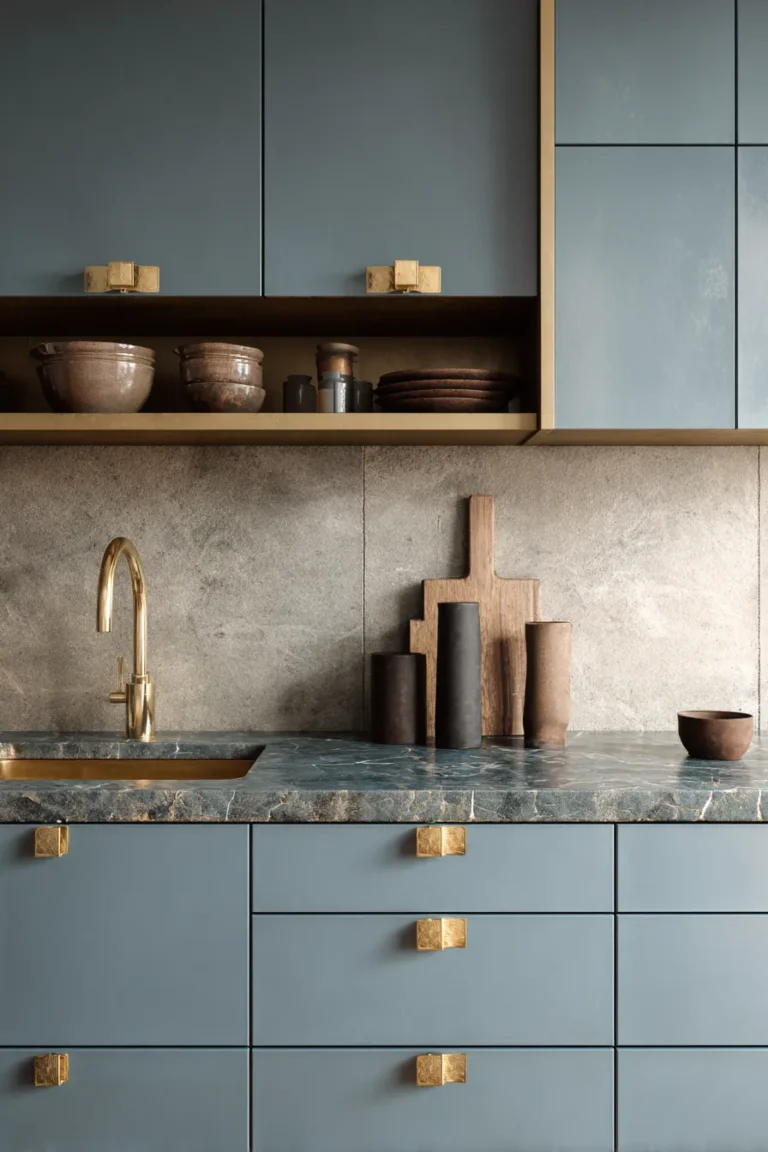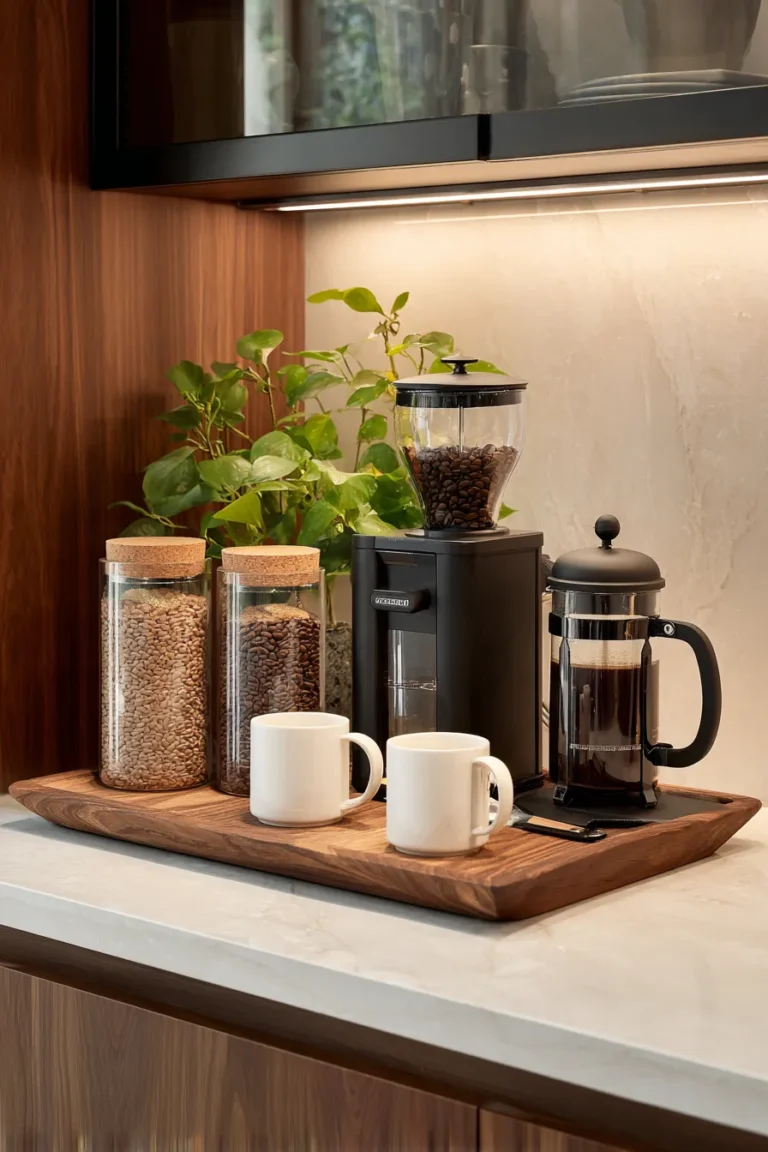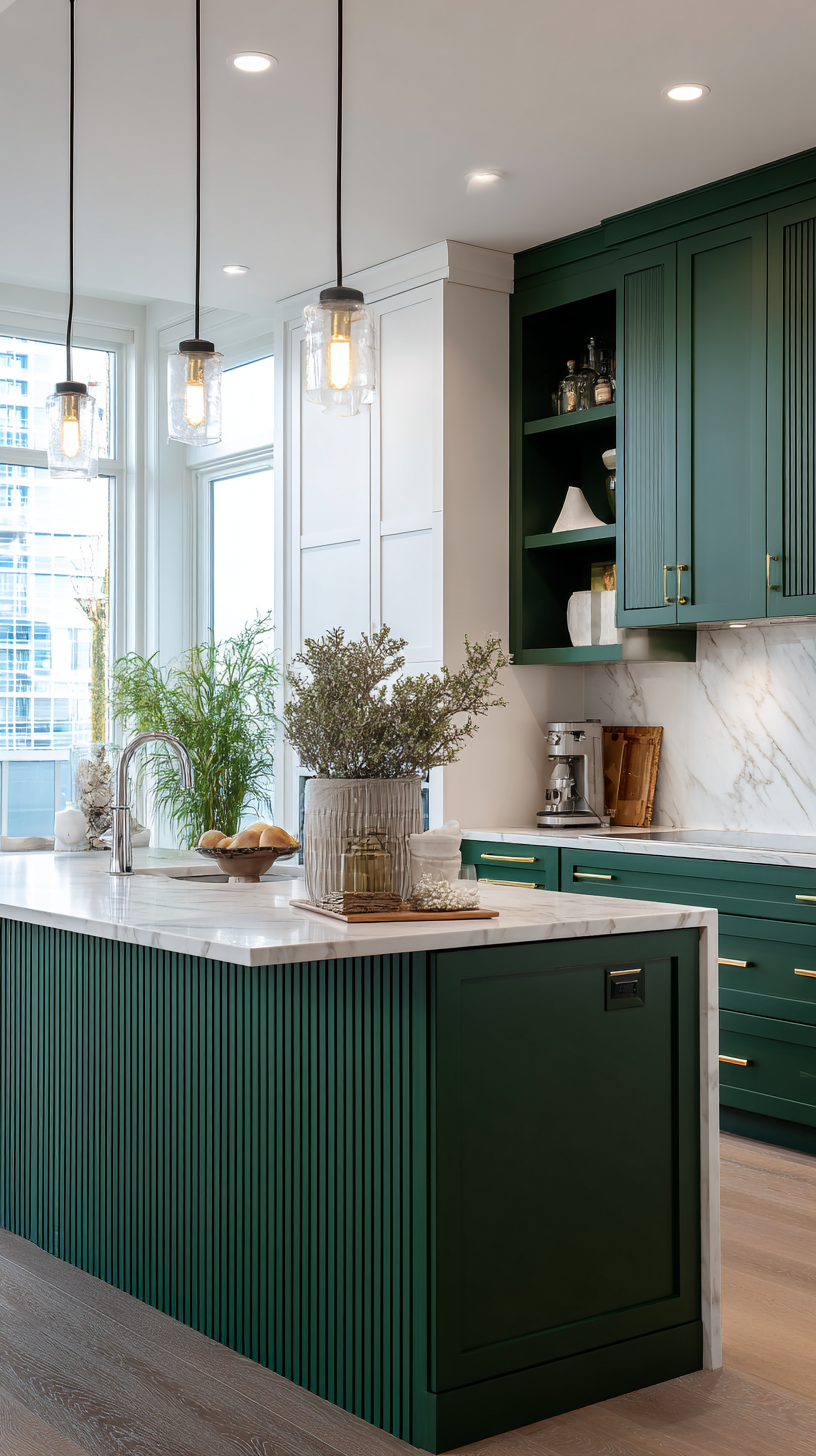
Hey there, kitchen enthusiast! Let me guess—you’re staring at your outdated cabinets right now, aren’t they? Maybe they’re that weird oak finish from the ’90s, or perhaps they’re so worn out that the doors don’t even close properly anymore. I’ve been there, friend. When I renovated my own kitchen last year, I spent weeks obsessing over cabinet options, scrolling through Pinterest at 2 AM like some kind of design-crazed detective. And honestly? It was totally worth it.
Here’s the thing about kitchen cabinets: they’re not just storage boxes nailed to your walls. They’re the backbone of your entire kitchen design, setting the tone for everything from your morning coffee routine to those epic dinner parties you keep promising to host. They take up nearly 40% of your visual space, which means choosing the right ones can literally make or break your kitchen’s vibe. So buckle up, because I’m about to walk you through seven kitchen cabinet styles that are turning heads in 2025—and trust me, at least one of these is going to make your heart skip a beat.
1. Shaker Cabinets: The Timeless Classic That Never Gets Old

Let’s start with the crowd favorite, shall we? Shaker cabinets are like that little black dress in your closet—they work with everything, never go out of style, and somehow make you look effortlessly put together.
Why Shaker Cabinets Are Still Dominating
These beauties originated with the Shaker religious community in the 18th century, and their philosophy of simple, functional design has stood the test of time. The signature five-piece door with a recessed center panel creates clean lines without being boring. It’s minimalist but warm, traditional yet surprisingly modern.
Key features that make Shaker cabinets irresistible:
- Clean, recessed center panel with a simple frame
- Works brilliantly with both painted and stained finishes
- Adapts to virtually any kitchen cabinet design aesthetic
- Budget-friendly compared to more ornate styles
- Easy to clean (no fancy crevices collecting gunk!)
I painted mine in a soft sage green, and wow—instant farmhouse chic without trying too hard. The beauty of Shakers is their versatility. Paint them navy for a bold statement, go crisp white for that airy Scandinavian look, or choose a natural wood stain for warmth. They literally play well with any kitchen ideas you’re dreaming up.
Styling Your Shaker Cabinets
Pair them with brass or black hardware for instant sophistication. Mix upper and lower cabinet colors for a two-toned look that’s trending hard right now. And here’s a pro tip: Shaker cabinets look absolutely stunning when you remove some upper cabinets and add open shelving. It breaks up the visual weight while keeping that classic charm intact.
2. Flat-Panel Cabinets: Sleek, Modern, and Seriously Sexy
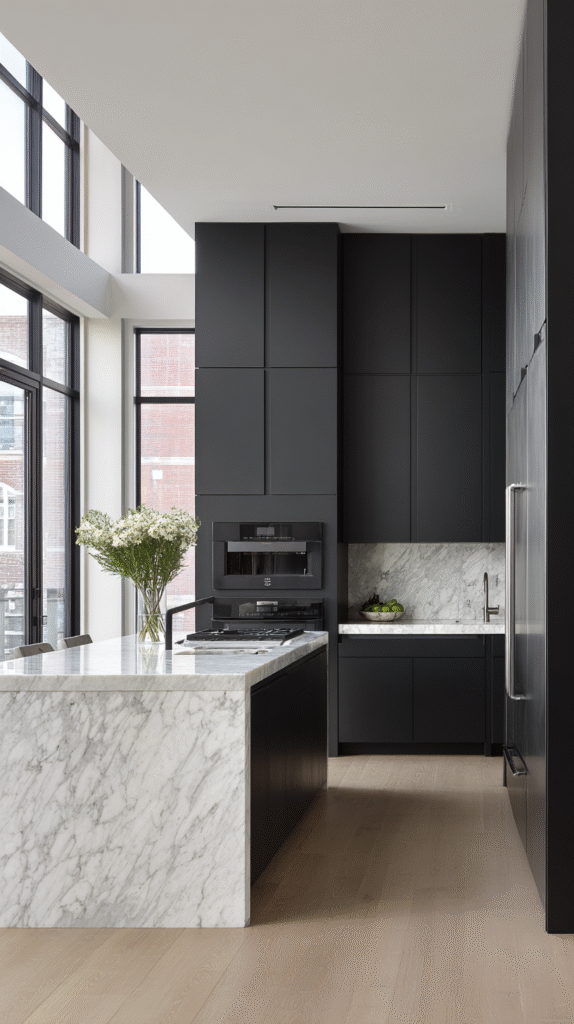
Okay, if Shaker cabinets are the reliable best friend, flat-panel cabinets (also called slab cabinets) are the cool, minimalist architect who shows up to parties looking effortlessly chic. These are the go-to choice for contemporary and modern kitchen designs, and for good reason.
The Beauty of Simplicity
Flat-panel cabinets feature a single, smooth panel with no frames or raised details. That’s it. That’s the whole design. And somehow, this simplicity creates the most sophisticated look imaginable. The lack of ornamentation puts all the focus on the material, color, and finish you choose.
What makes flat-panel cabinets stand out:
- Ultra-modern aesthetic that screams sophistication
- Creates seamless, uninterrupted visual flow
- Perfect canvas for bold colors or exotic wood grains
- Easy maintenance (seriously, just wipe and go)
- Works beautifully with integrated handles or push-to-open mechanisms
I’ve seen these babies in high-gloss white that literally reflects light around the room, making small kitchens feel twice as spacious. FYI, they also look incredible in matte black or walnut veneer. If you’re going for that modern kitchen vibe, flat-panel cabinets are basically non-negotiable.
Making Flat-Panel Work for You
The key to nailing this look? Keep everything else clean and uncluttered. These cabinets thrive in minimalist spaces where every element has purpose. Pair them with handleless designs for that sleek, handleless look, or choose long bar pulls for a slightly industrial edge. And don’t be afraid of color—a deep emerald or burnt orange can turn flat-panel cabinets into absolute showstoppers.
3. Glass-Front Cabinets: Show Off Your Style (Or Your Fancy Dishware)
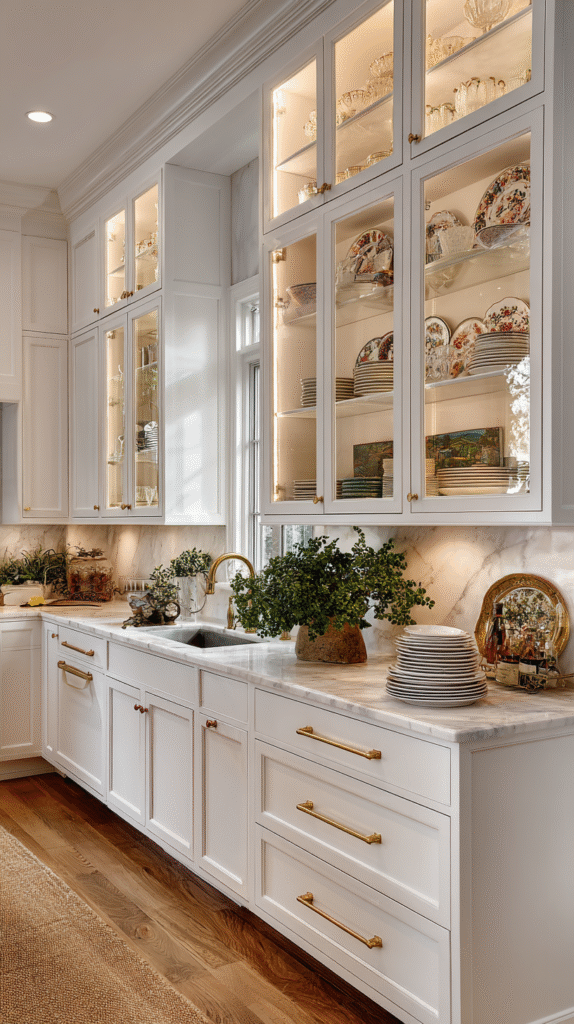
Want to know a secret? Glass-front cabinets are the perfect compromise between closed storage and open shelving. They give you that airy, open feel without the stress of keeping everything Instagram-perfect 24/7.
Why Glass-Front Cabinets Are Having a Moment
There’s something inherently elegant about being able to see through your cabinets. It adds depth, breaks up solid runs of cabinetry, and lets you display the things you actually love. Plus, they make your kitchen feel larger by creating visual continuity.
The perks of going transparent:
- Creates visual interest and breaks up monotonous cabinet runs
- Makes spaces feel more open and airy
- Perfect for displaying beautiful dishware or glassware
- Adds a touch of old-world charm or modern elegance (depending on style)
- Forces you to keep things organized (okay, maybe that’s a con for some of us!)
Here’s my take: use glass-front cabinets strategically. I have them flanking my range, displaying my grandmother’s china and some colorful vintage glassware. They’re conversation starters, and honestly, they make me smile every time I walk into my kitchen.
Glass-Front Cabinet Styling Tips
Not everything behind glass needs to be museum-quality. Stack white dishes uniformly for a clean look, or embrace a collected aesthetic with mismatched vintage finds. You can even use frosted or seeded glass for a more forgiving look that still maintains that light, airy feeling. And pro tip? Add interior cabinet lighting to make those glass-fronts absolutely glow at night.
4. Two-Toned Cabinets: Because Who Says You Have to Choose?
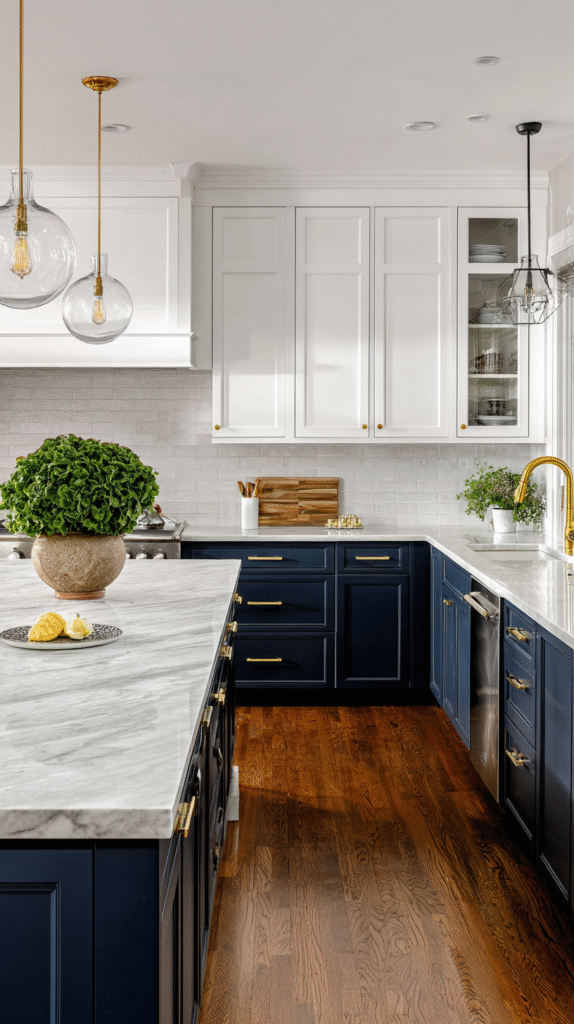
Can’t decide between dark and light? Modern and traditional? Well, plot twist—you don’t have to! Two-toned kitchen cabinets are absolutely dominating the kitchen design scene right now, and they’re not going anywhere.
The Art of the Mix
Two-toned cabinets typically feature one color on the upper cabinets and another on the lower cabinets, though you can also mix and match by using different colors on an island or accent wall of cabinets. This approach adds serious visual interest and depth to your space.
Why two-toned is taking over:
- Adds dimension and prevents visual monotony
- Allows you to incorporate multiple trends or styles
- Can make ceilings appear higher (lighter up top) or ground a space (darker below)
- Creates natural zones in open-concept layouts
- Lets your personality shine through
IMO, the best two-toned combinations right now are white uppers with navy or forest green lowers, or natural wood uppers with painted white lowers. I’ve also seen stunning kitchens with sage green uppers and a deep charcoal island—absolutely chef’s kiss.
Getting the Combination Right
The golden rule? Make sure your two colors either contrast beautifully or complement each other harmoniously. Avoid choosing two colors that are too similar in tone—that just looks like a mistake. And here’s a trick: use the darker color on lower cabinets or the island, as it helps anchor the space and is more forgiving for the high-traffic areas where scuffs happen.
5. Open Shelving: Not Quite Cabinets, But Hear Me Out

Okay, okay, I know—open shelving technically isn’t cabinets. But stay with me here, because incorporating open shelves into your kitchen cabinet design is one of the smartest moves you can make in 2025.
The Case for Going Open
Open shelving has evolved from trendy experiment to legitimate design choice. When done right, it creates an approachable, lived-in feel that makes your kitchen feel like the heart of your home rather than a sterile showroom.
What open shelving brings to the table:
- Makes small kitchens feel significantly larger
- Costs way less than traditional cabinets
- Forces you to curate and organize (trust me, this becomes a good thing)
- Provides easy access to everyday items
- Creates opportunities for decorative displays
Now, let’s be real for a second. Open shelving isn’t for everyone. If you have kids who leave sticky fingerprints on everything, or if dust makes you twitchy, you might want to use open shelves sparingly. I replaced my upper cabinets on one wall with open shelving, and it completely transformed my kitchen’s feel—but I’m also religious about keeping those shelves styled and dust-free.
Making Open Shelving Work
The secret to successful open shelving? Curation and restraint. Don’t just throw random stuff up there. Use matching jars for dry goods, stack plates by color or size, and incorporate a few decorative elements like plants or cookbooks. And here’s the thing nobody tells you: you can mix open shelving with closed cabinets for the best of both worlds. Use shelves where you want to display beautiful things, and keep closed cabinets for the plastic container chaos we all have hiding somewhere.
6. Inset Cabinets: The Luxury Option That’s Worth Every Penny
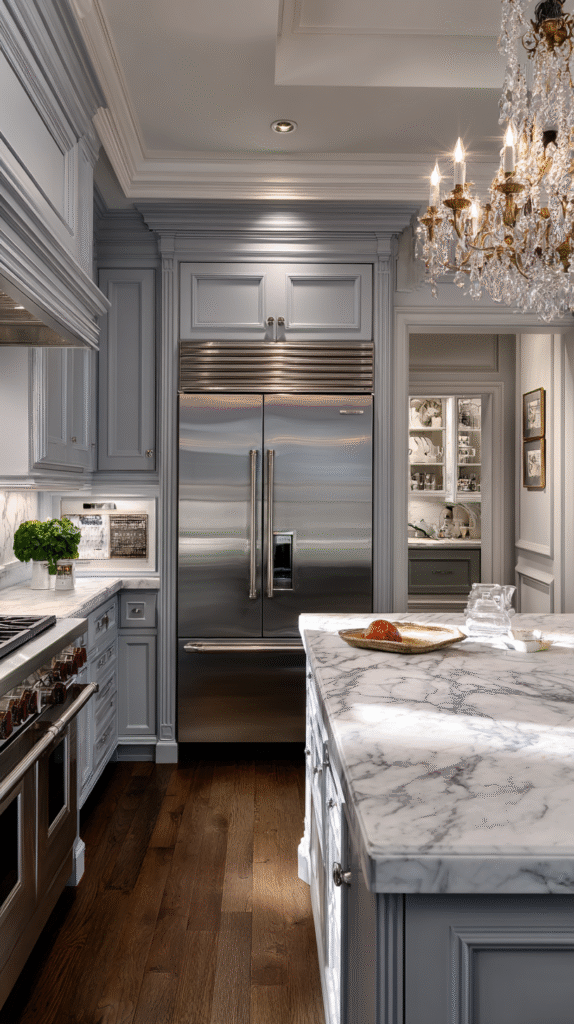
If you want to feel fancy every single time you walk into your kitchen, let me introduce you to inset cabinets. These are the cream of the crop, the champagne of cabinetry, the—okay, you get it. They’re special.
What Makes Inset Cabinets So Special?
Unlike standard overlay cabinets where the door covers the cabinet frame, inset cabinet doors and drawers sit flush inside the cabinet frame. This creates incredibly clean lines and that high-end, furniture-quality look that screams craftsmanship.
The inset cabinet advantage:
- Unparalleled craftsmanship and attention to detail
- Creates a sophisticated, furniture-like appearance
- Timeless appeal that won’t look dated in 20 years
- Precise construction means smooth operation
- Traditional or modern—they work with any style
Here’s the catch: inset cabinets are more expensive and require expert installation. The tolerances are tight, and the construction is complex. But if budget allows, they’re absolutely transformative. I’ve seen kitchens where inset cabinets elevate the entire space from nice to “wait, is this a magazine shoot?”
Is the Investment Worth It?
If you’re planning to stay in your home long-term and you value quality craftsmanship, inset cabinets are worth saving up for. They’re particularly stunning in traditional kitchen ideas like Shaker-style kitchens, but they also work beautifully in transitional spaces. Just make sure you’re working with an experienced cabinet maker—this isn’t the project for cutting corners.
7. Textured and Specialty Finish Cabinets: Go Bold or Go Home
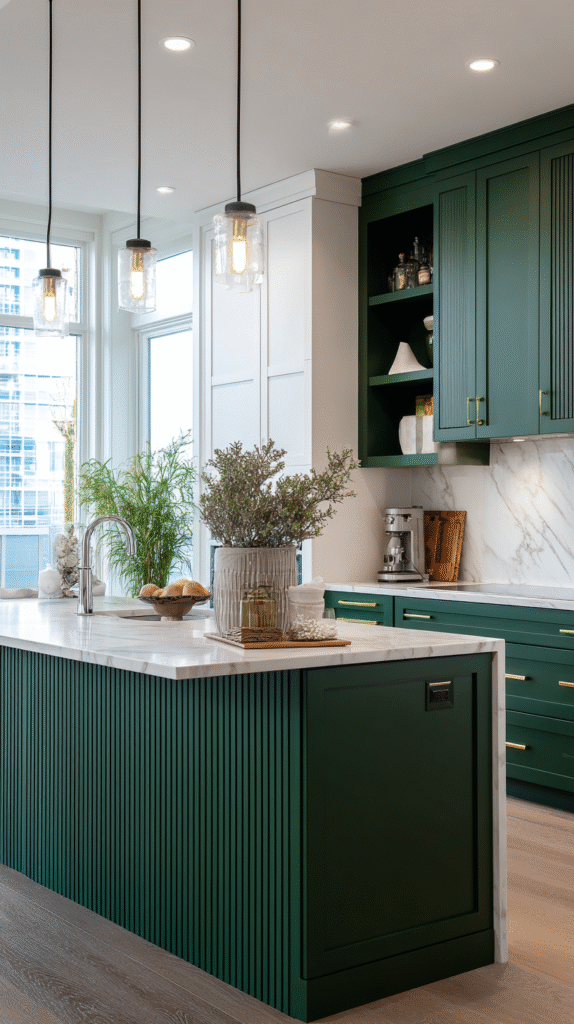
Alright, let’s talk about the wild cards—textured and specialty finish cabinets. These are for the bold souls who aren’t afraid to make a statement. Think wire-brushed wood, fluted panels, or even leather-wrapped cabinet fronts. Yes, really!
Texture Adds Unexpected Interest
In a world of smooth, painted cabinets, adding texture creates tactile and visual interest that makes your kitchen truly one-of-a-kind. These specialty finishes have exploded in popularity because they add personality without requiring a complete departure from classic design principles.
Trending textured finishes right now:
- Fluted or reeded cabinet fronts for vertical interest
- Wire-brushed wood that highlights natural grain
- Cerused oak with whitewashed grain details
- Matte textured paint finishes
- Mixed materials like rattan or cane inserts
I recently saw a kitchen with fluted lower cabinets paired with smooth upper cabinets, and holy smokes, it was gorgeous. The vertical lines added elegance and drew the eye upward, making the space feel taller. If you’re looking at black kitchen ideas, adding texture prevents the dark color from feeling heavy or flat.
How to Incorporate Texture Without Overdoing It
The trick with textured cabinets is restraint. Use them as an accent rather than covering every surface. Try fluted fronts on your island while keeping perimeter cabinets smooth. Or use wire-brushed wood on lower cabinets with painted uppers. Texture should enhance your design, not overwhelm it. And remember—textured surfaces can be trickier to clean, so consider your lifestyle before committing to heavily textured finishes in high-traffic areas.
Bringing It All Together: Creating Your Dream Kitchen
So there you have it—seven kitchen cabinet styles that can completely transform your cooking space. Whether you’re drawn to the timeless appeal of Shaker cabinets, the sleek sophistication of flat-panels, or the bold statement of textured finishes, the right choice comes down to your personal style and how you actually use your kitchen.
Mix, Match, and Make It Yours
Here’s what I’ve learned through my own renovation journey: the best kitchens aren’t designed from a single Pinterest board. They’re created by mixing elements that speak to you and fit your lifestyle. Maybe that’s Shaker cabinets in a surprising color, or flat-panel cabinets with glass-front accents. Perhaps it’s a two-toned approach with some open shelving thrown in for good measure.
The beauty of kitchen cabinet design in 2025 is that there are no hard rules anymore. You can absolutely mix modern flat-panel cabinets with traditional inset construction. You can pair sleek contemporary cabinets with rustic wood accents. The key is creating a cohesive vision that feels intentional rather than accidental.
Consider Your Lifestyle First
Before you fall head-over-heels for any cabinet style, ask yourself some honest questions. Do you have kids who need easy access to snack cabinets? Then lower drawers might work better than high shelves. Are you a serious cook with tons of equipment? Deep drawers in lower cabinets will be your best friend. Do you love collecting beautiful dishes? Glass-front or open shelving might be calling your name.
Your cabinets need to work as hard as they look good. I learned this the hard way when I initially designed my kitchen around aesthetics alone, then realized I’d created some seriously impractical storage situations. Thankfully, I caught it before installation, but the lesson stuck: form follows function, always.
The Budget Reality Check
Let’s talk money for a second because, yeah, cabinets are a significant investment. They typically eat up 30-40% of your total kitchen renovation budget. Custom inset cabinets can cost twice as much as stock Shaker cabinets, so understanding your budget constraints early helps narrow down your options.
But here’s the good news: you can create a stunning kitchen at almost any price point. Stock cabinets from big-box stores can look incredible with the right hardware and styling. Semi-custom options give you more flexibility without the custom price tag. And if you’re handy, painting existing cabinets in a trendy two-toned style can cost just a few hundred dollars and completely transform your space.
Don’t Forget the Details
The style of your cabinets is just the beginning. The hardware you choose, the internal organization systems you add, and even the way you style your space all contribute to the final result. Invest in quality hinges and drawer slides—they’re the difference between cabinets that glide smoothly for decades and ones that start sagging and sticking after a year.
And please, PLEASE don’t underestimate the power of good hardware. I’ve seen builder-grade cabinets look like a million bucks with gorgeous brass pulls, and I’ve seen expensive custom cabinets look cheap with the wrong handles. Hardware is jewelry for your kitchen—choose wisely!
Final Thoughts: Your Kitchen, Your Way
Listen, at the end of the day, your kitchen needs to make YOU happy. Not your neighbors, not some design influencer, not even your mother-in-law (sorry, Linda!). Because you’re the one who’s going to be opening those cabinet doors multiple times a day, every single day, for years to come.
So whether you go full modern with flat-panel cabinets, embrace tradition with Shaker style, or create something completely unique with mixed finishes and textures, make sure it reflects who you are. Your kitchen should feel like a warm hug when you walk into it in the morning, not a sterile space you’re afraid to mess up.
And hey, if you’re feeling overwhelmed by all these options, take a breath. Start by creating a mood board with images that make you feel something—excitement, peace, joy, whatever. Look for common threads in the designs that speak to you. Maybe you’re consistently drawn to clean lines, or perhaps warm wood tones keep appearing. Those patterns will guide you toward the right cabinet style for your space.
The kitchen renovation journey is equal parts exciting and stressful, but it’s so worth it when you finally get to cook in your dream space. Whether you’re planning a complete overhaul or just freshening things up with new cabinet fronts, these seven styles give you a solid starting point for creating a kitchen that’s both beautiful and functional.
Now go forth and create the kitchen of your dreams! And when you’re done, invite me over for dinner—I promise to bring wine and appropriately compliment your cabinet choices. 😊
Happy renovating, friend!