When my sister asked me to help redesign her cramped dining nook three years ago, I had no idea it would spark my obsession with modern traditional style. She wanted something that honored our grandmother’s mahogany sideboard but didn’t feel like a museum. What we created changed everything I thought I knew about dining room design.
Traditional doesn’t mean stuffy. Modern doesn’t mean cold. The sweet spot exists where both philosophies dance together, creating spaces that feel collected rather than decorated.
1. Rich Color Palettes with Unexpected Depth
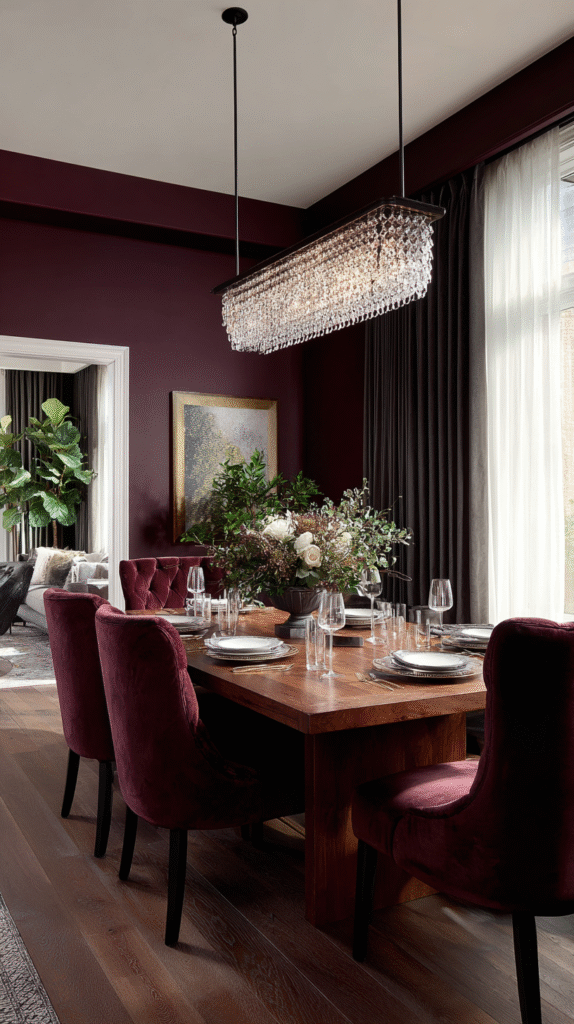
Forget everything you’ve heard about playing it safe with beige. Bold color transforms dining rooms from background spaces into destinations.
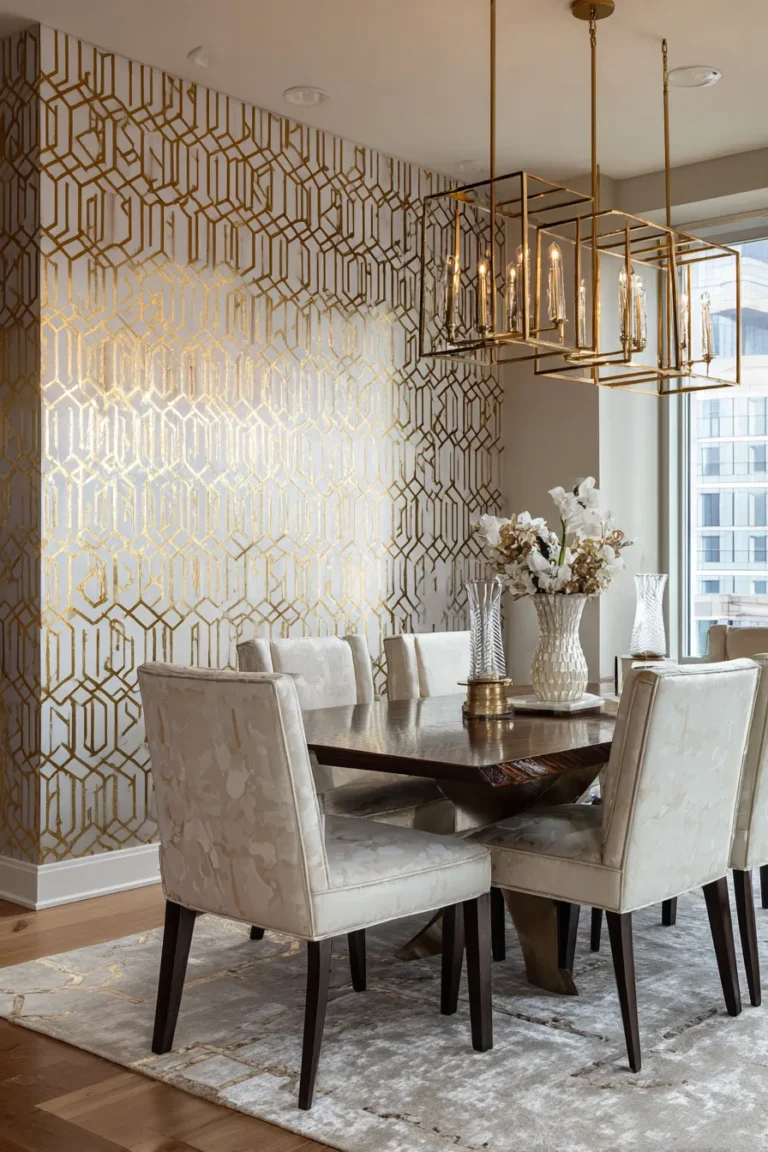
Deep burgundy walls paired with brass fixtures create drama that beige simply cannot match. One client painted her dining room in Benjamin Moore’s “Caliente” – a rich, complex red that shifts from burgundy to brown depending on the light. She paired it with cream wainscoting and suddenly her IKEA table looked expensive.
Emerald green works magic too. Paint your lower half forest green, keep the top half cream, and watch how sophisticated your space becomes. Navy blue dining rooms feel moody and intimate. Jewel tones aren’t just trendy – they’re timeless when you choose the right undertones.
The 60-30-10 rule gets mentioned everywhere, but real rooms don’t follow formulas that strictly. Start with one color you love, then build outward. Trust your instincts.
2. Statement Lighting That Defines Ambiance
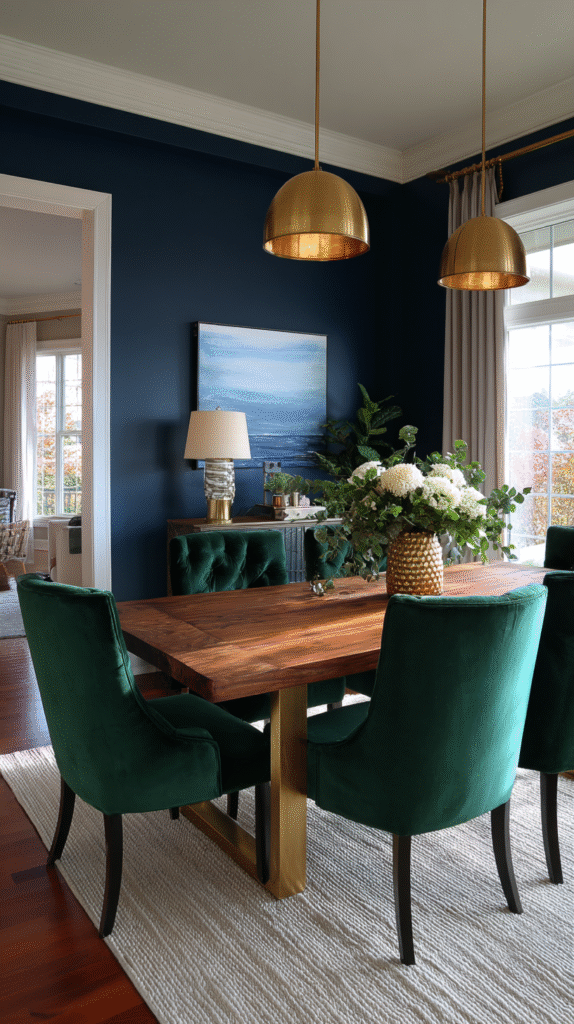
Lighting mistakes ruin more dining rooms than bad furniture choices. Most people hang one fixture and call it done. This creates harsh shadows and unflattering light that makes everyone look tired.
Chandeliers belong 30-36 inches above your table surface. Any higher feels disconnected. Any lower blocks conversation. Size matters too – your chandelier should be roughly 12 inches narrower than your table width.
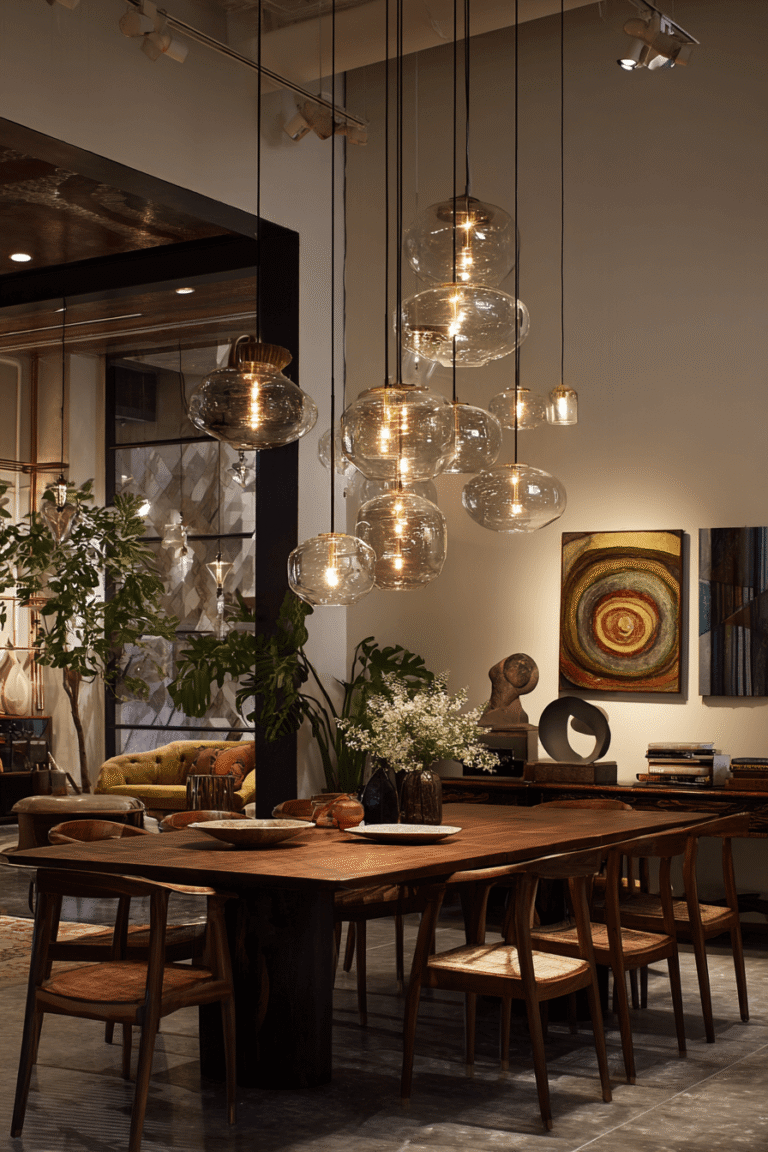
But here’s what most people miss: you need three types of light. Ambient lighting (recessed cans or ceiling fixtures) provides overall illumination. Task lighting (your chandelier or pendants) focuses on the table. Accent lighting (wall sconces, table lamps) creates depth and warmth.
Dimmer switches aren’t optional. They’re essential. Install them on everything. You want different moods for Tuesday dinner versus Saturday dinner parties.
Smart bulbs let you adjust color temperature too. Cooler light (4000K) works for morning coffee. Warmer light (2700K) creates intimacy for evening meals.
3. Sculptural Furniture with Multi-Functional Purpose
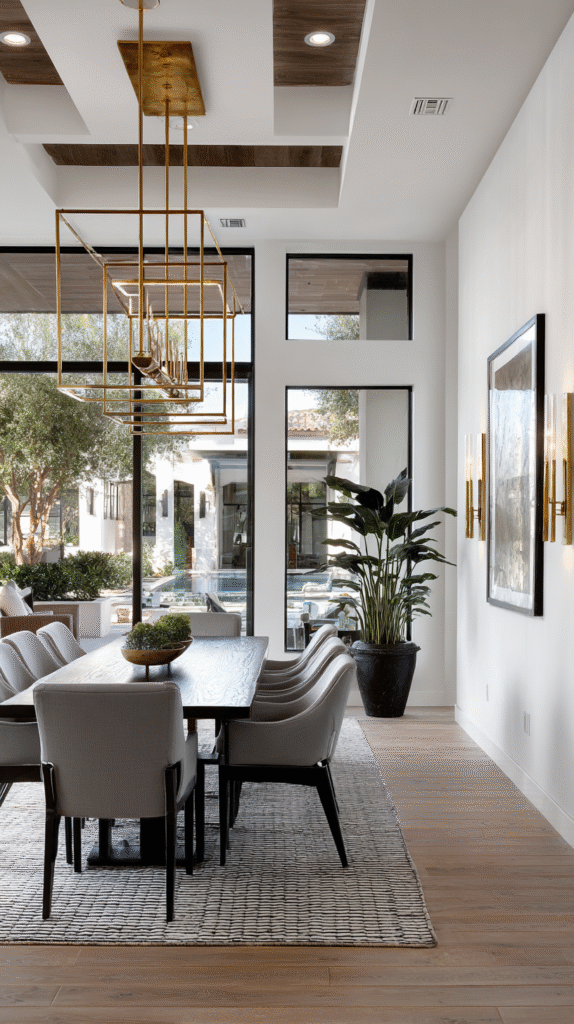
Round tables encourage conversation better than rectangles. But rectangles fit more people. Ovals split the difference nicely.
Your table size matters more than style. Allow 24 inches of table width per person. A 6-foot table seats six people comfortably, eight if you squeeze.
Expandable tables solve the holidays-versus-everyday dilemma. Look for ones with leaves that store inside the table base. Self-storing leaves don’t get lost in closets.
Chair comfort trumps appearance every time. Uncomfortable chairs make guests leave early. Armchairs feel more luxurious but take up more space. Mix armchairs at table ends with side chairs along the sides.
Storage furniture earns its keep. Sideboards hold serving dishes and extra linens. China cabinets display pretty things while protecting them. Benches with lift-up seats hide seasonal items.
Buy quality pieces slowly rather than complete sets quickly. Rooms furnished over time feel more personal.
4. Textural Elements That Add Warmth
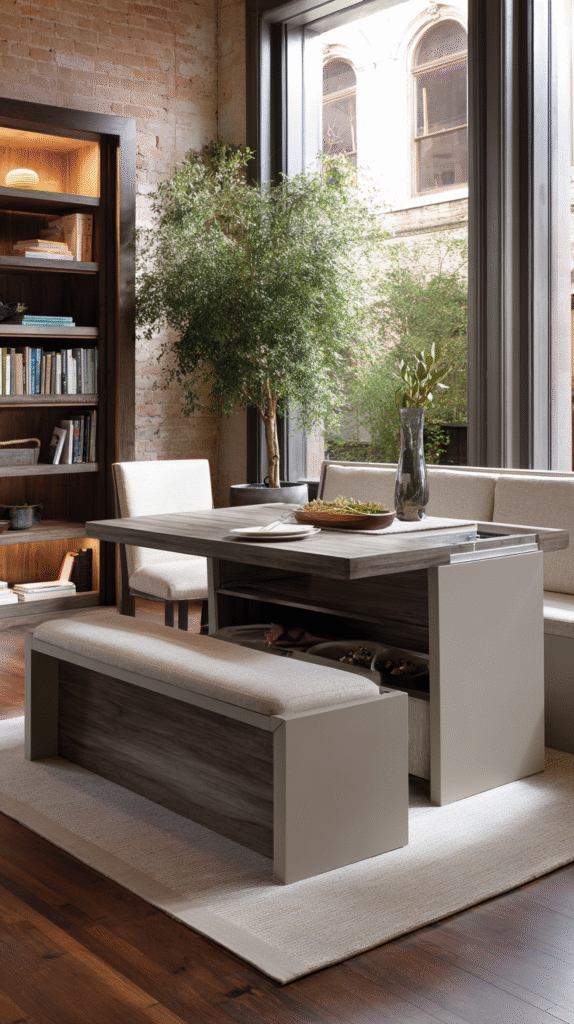
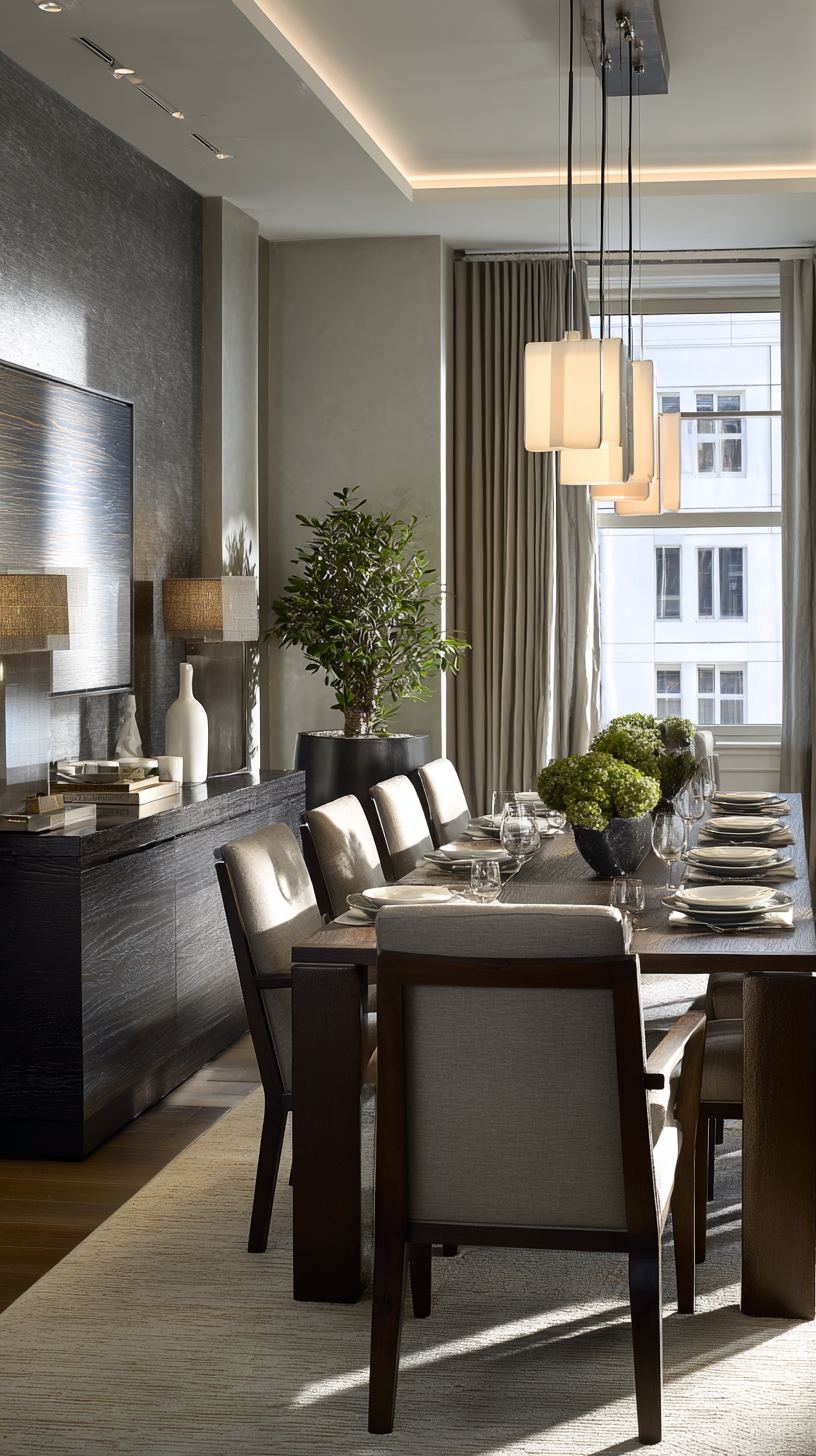
Smooth surfaces need rough companions. Polished wood needs matte metal. Shiny fabrics need nubby textures.
Hardwood floors feel classic but show every crumb. Area rugs define your dining space and muffle sound. Choose rugs large enough that chair legs stay on them even when pulled out.
Natural materials age beautifully. Stone, wood, and metal develop patina over time. Synthetic materials often look the same in ten years – which isn’t always good.
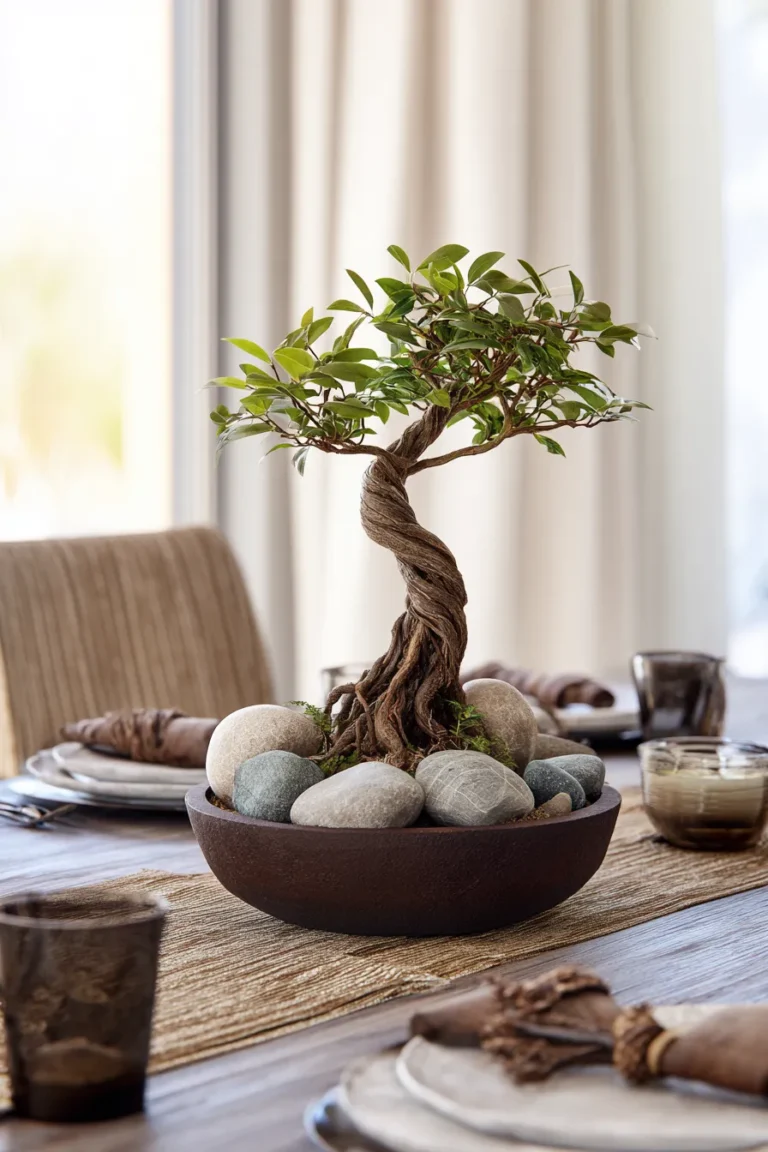
Plants soften hard edges and improve air quality. Large floor plants anchor corners. Smaller plants on sideboards add life without blocking views.
Fabric introduces softness. Linen curtains filter light beautifully. Cotton tablecloths protect wood and absorb sound. Wool rugs feel luxurious underfoot.
Mix textures within the same color family for subtle sophistication. Vary textures across different color families for more dynamic contrast.
5. Art Integration as Conversation Starters

Art placement confuses people more than art selection. Hang pictures 57-60 inches from floor to center. This puts art at average eye level when standing.
Gallery walls work best with odd numbers of pieces. Start with your largest piece, then build around it. Leave 2-3 inches between frames for breathing room.
One large piece often creates more impact than several small ones. Don’t be afraid of scale. Your dining room can handle bigger art than you think.
Personal photographs belong in dining rooms. Family pictures create warmth that generic art cannot match. Frame them well and treat them seriously.
Art doesn’t need to match your furniture. It needs to make you happy. Choose pieces you love, then build your color palette around them if necessary.
6. Smart Technology Integration Done Right
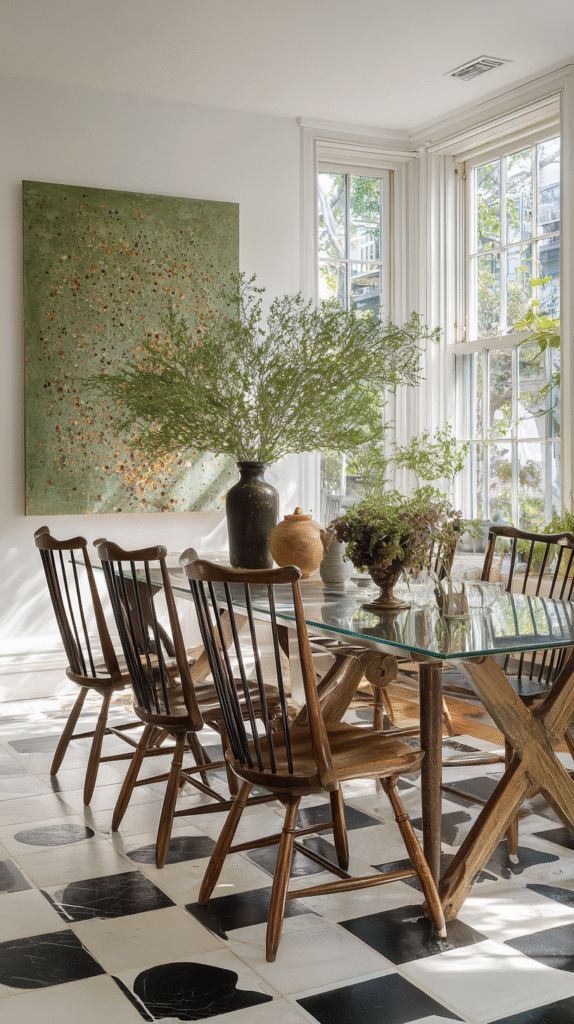
Invisible technology works better than obvious technology. Hide speakers in ceilings. Build charging stations into sideboard drawers. Mount TVs inside cabinets that close.
Smart light switches look identical to regular switches but offer phone control. Program different scenes for different occasions. “Dinner Party” mode dims everything to 40%. “Cleanup” mode brings everything to 100%.
Voice assistants work well for lighting and music control. Place them on sideboards rather than dining tables where they interfere with conversation.
Automated window shades adjust throughout the day. Program them to close during afternoon glare, open for sunset views.
Keep remotes in designated spots. Nothing ruins ambiance like hunting for lost remotes.
7. Sustainable Materials with Character
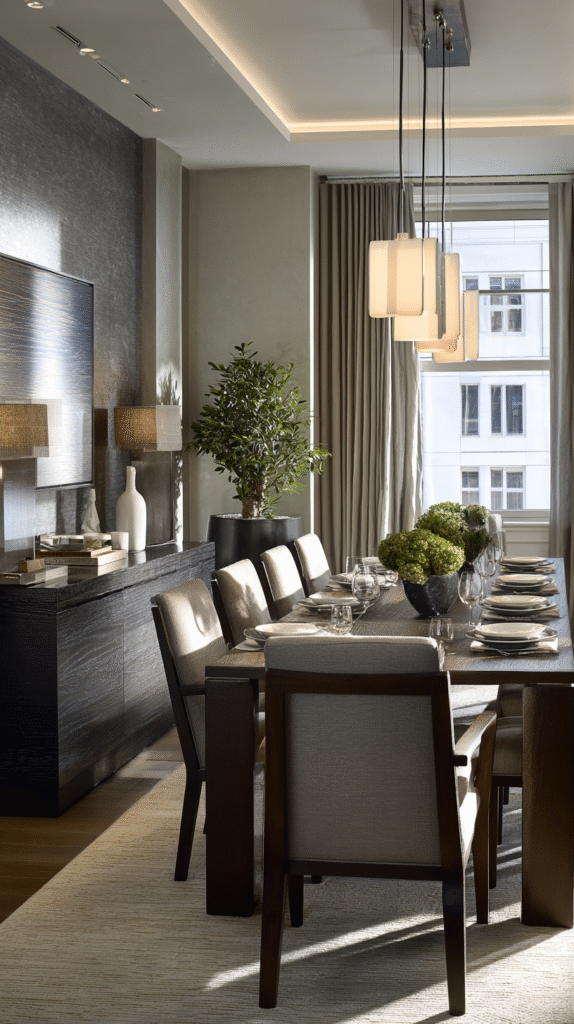
Reclaimed wood tells stories. Barn wood brings rustic character. Old factory floors add urban edge. Salvaged materials cost more upfront but last longer and age better.
Local artisans create unique pieces that big box stores cannot replicate. Commission custom furniture when possible. Support local businesses while getting exactly what you want.
Antique stores offer quality furniture at reasonable prices. Look past surface finishes to underlying construction. Well-built vintage pieces often cost less than new equivalents.
Energy-efficient appliances matter in adjacent kitchens. LED bulbs last longer and use less electricity. Low-VOC paints improve indoor air quality.
Bamboo grows quickly and looks beautiful. Cork flooring feels comfortable and sustainable. Hemp textiles wear well and get softer with washing.
8. Flexible Layout Solutions for Every Occasion
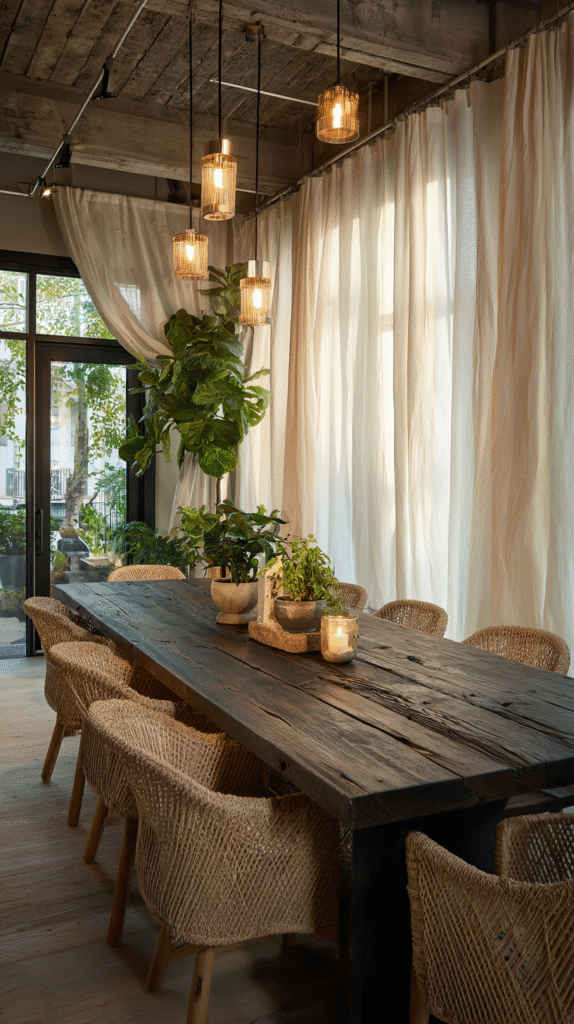
Open floor plans need definition without walls. Area rugs, lighting, and furniture placement create zones. Different ceiling heights help too when possible.
Traffic flow matters more than symmetry. People need clear paths around your table. Allow 36 inches between table edge and walls or other furniture.
Seasonal rearrangements keep spaces fresh. Move furniture to accommodate Christmas trees or summer parties. Lightweight pieces make this easier.
Multiple seating options accommodate different group sizes. Dining chairs for formal meals. Counter stools for casual eating. Lounge chairs for conversation.
Extension leaves, folding tables, and stacking chairs provide flexibility without permanent commitment. Store extra pieces where you can reach them easily.
9. Personal Touches That Tell Your Story
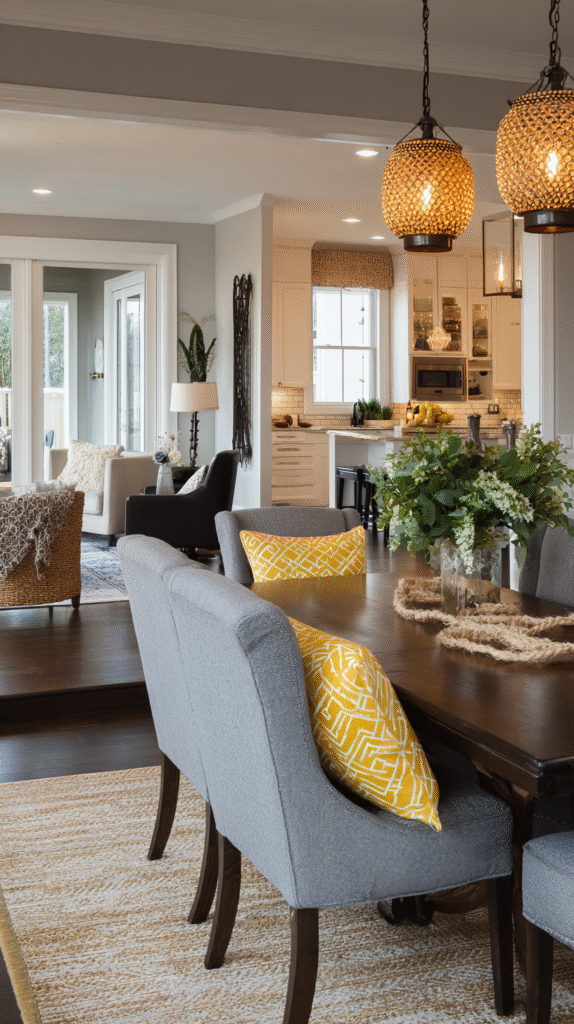
Family heirlooms anchor rooms in personal history. Grandmother’s china cabinet matters more than perfect proportions. Display pieces that spark memories.
Travel souvenirs create conversation topics. Moroccan pottery, Italian ceramics, or Mexican tiles add global flavor and personal narrative.
Collections deserve proper display. Whether vintage silver or contemporary ceramics, group similar items for impact. Light them well and keep them dust-free.
Books belong in dining rooms too. Cookbooks, photography books, and coffee table books add intellectual weight. Stack them on sideboards or built-in shelves.
Fresh flowers change everything. Seasonal arrangements connect indoor spaces with outdoor rhythms. Simple branches work as well as elaborate bouquets.
10. Color Psychology in Dining Environments
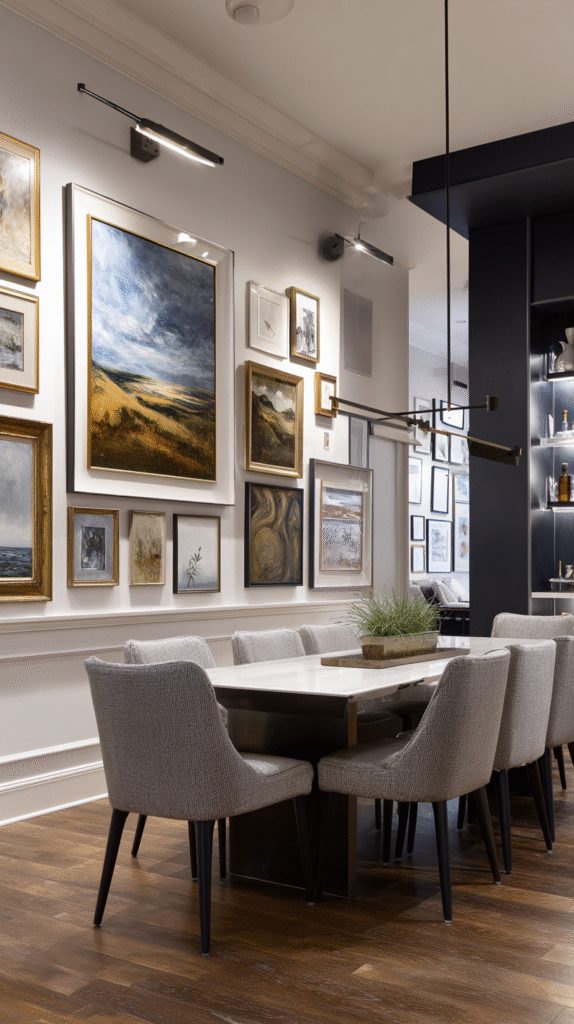
Red stimulates appetite but can feel aggressive in large doses. Use it as accent color rather than wall color. Burgundy feels more sophisticated than bright red.
Blue calms nerves but can suppress appetite. Navy works better than lighter blues. Combine blue with warm wood tones for balance.
Green connects us with nature and feels fresh. Forest green feels formal. Sage green feels casual. Emerald green feels luxurious.
Yellow energizes but can feel harsh in artificial light. Cream and ivory offer yellow’s warmth without intensity.
Neutral backgrounds let other elements shine. But neutral doesn’t mean boring. Warm grays, soft creams, and gentle beiges create sophisticated foundations.
11. Lighting Zones for Different Activities
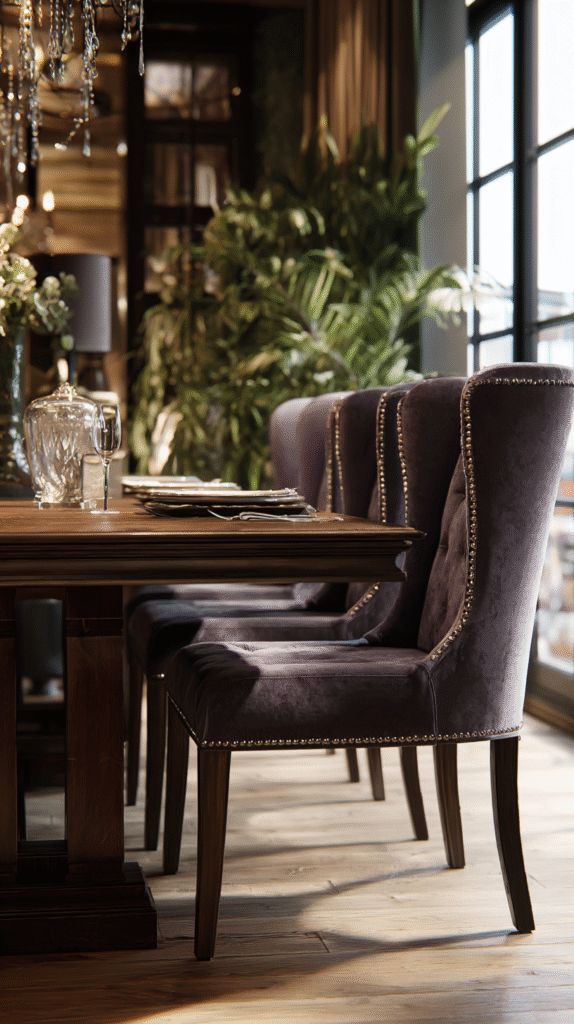
Morning light needs differ from evening requirements. Bright task lighting works for breakfast and homework. Soft ambient lighting suits dinner conversation.
Artwork deserves dedicated lighting. Picture lights or adjustable track lights prevent shadows and glare. Light art from above at 30-degree angles when possible.
Candles create romance that electric lights cannot match. Use them safely with proper holders. Battery-operated candles offer ambiance without fire risk.
Natural light changes throughout the day. East-facing windows provide morning light. West-facing windows offer evening glow. South-facing windows need sun control.
Window treatments control light and privacy. Sheer curtains filter harsh light while maintaining views. Blackout options help for movie nights or afternoon naps.
12. Storage Solutions That Maintain Style
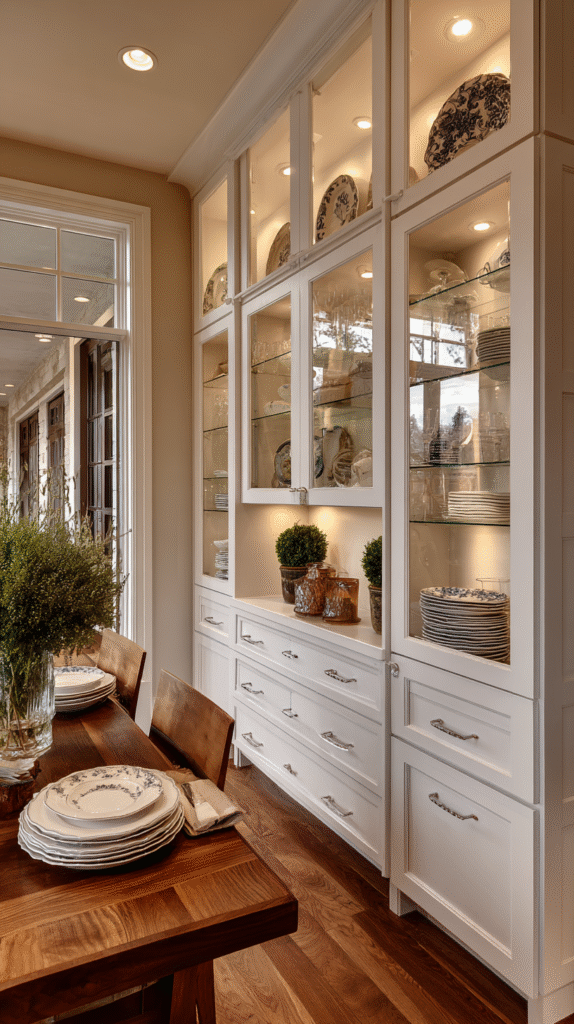
Built-in storage looks custom even when it’s not. Floor-to-ceiling shelves maximize vertical space. Include both open shelves and closed cabinets for variety.
Vintage furniture often offers better storage than new pieces. Old sideboards have deeper drawers. Antique armoires provide hidden storage.
Seasonal rotation keeps things fresh. Store winter dishes during summer months. Switch out decorative objects quarterly.
Serving pieces need accessible storage. Keep frequently used items in easy-reach locations. Store special occasion pieces safely but not forgotten.
Organization systems prevent clutter accumulation. Drawer dividers keep small items sorted. Shelf labels help family members maintain order.
Every piece should earn its place through beauty, function, or sentiment – ideally all three.