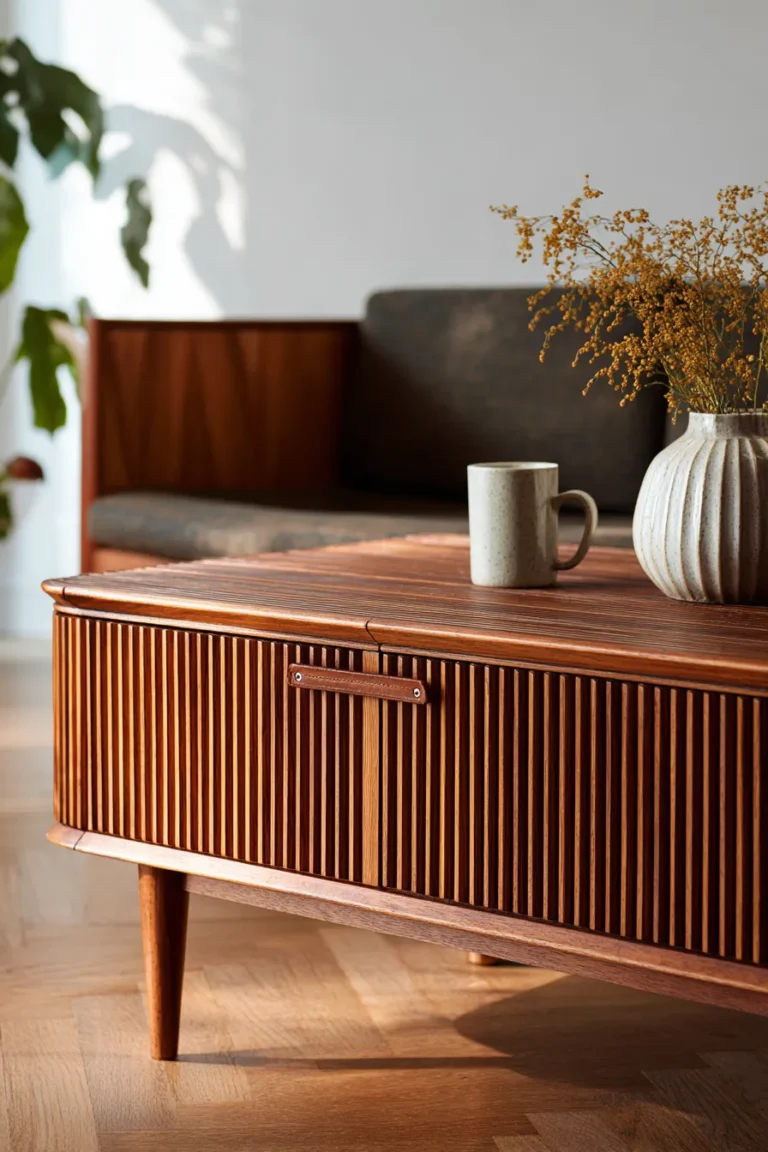
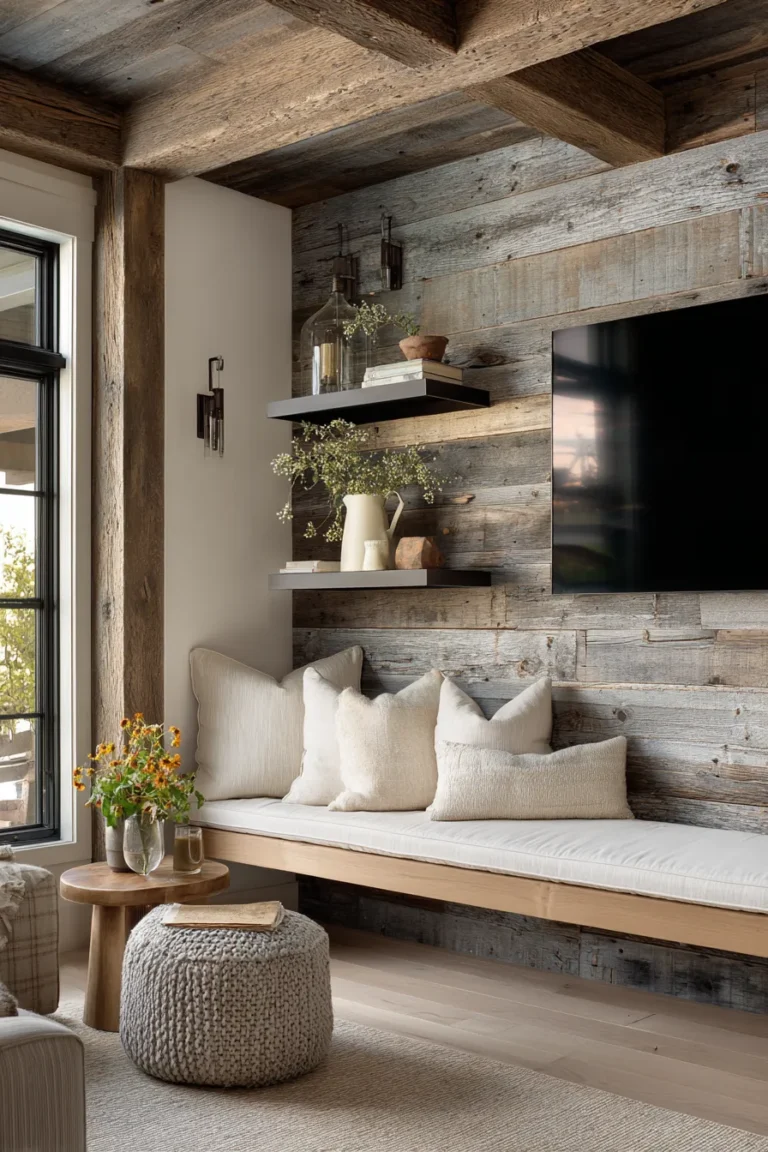
Media wall design serves as the foundation for modern living spaces where technology integration meets sophisticated interior design, creating entertainment centers that enhance both daily relaxation and social gatherings. I’ve discovered that exceptional media wall installations possess the remarkable ability to organize complex audio-visual equipment while maintaining clean, architectural lines that complement rather than dominate your living environment.
These carefully curated media wall concepts showcase how strategic planning and material selection create seamless technology integration that supports various entertainment needs while reflecting contemporary design sensibilities. From floating entertainment centers that maximize floor space to built-in storage solutions that conceal cables and components, each approach offers practical wisdom for creating media walls that enhance both functionality and aesthetic appeal of your entertainment areas.
1. Built-In Entertainment Centers That Create Seamless Integration
The most impactful media wall design begins with custom built-in cabinetry that provides dedicated storage for audio-visual components while maintaining clean, architectural lines throughout your living space. Professionally designed built-in entertainment centers establish sophisticated focal points while ensuring all technology remains organized and easily accessible for daily use.

Select cabinet proportions that complement your television size and room dimensions – typically the entertainment center should extend 6-12 inches beyond each side of your mounted television while maintaining proper visual balance with surrounding furniture. This careful scaling ensures the built-in elements enhance rather than overwhelm your media wall while providing adequate storage for gaming consoles, streaming devices, and audio equipment.
Choose materials and finishes that coordinate with your existing architectural details and interior design elements throughout the room. Natural wood veneer offers timeless warmth and can be stained to match existing trim work, while painted finishes provide flexibility for color coordination and can be updated as design preferences evolve over time.
Include dedicated ventilation systems and cable management solutions that prevent overheating while maintaining organized appearances behind closed cabinet doors. Proper airflow prevents equipment damage while strategically placed openings allow remote control signals to function effectively even when components remain hidden from view.
2. Floating Media Consoles That Maximize Floor Space
Wall-mounted entertainment furniture creates the illusion of larger floor areas while providing essential storage and display capabilities for modern audio-visual equipment. These floating installations offer contemporary appeal while solving practical storage challenges common in smaller living spaces or open-concept room designs.

Install floating media consoles at appropriate heights that ensure comfortable viewing angles while providing adequate clearance for cleaning and maintenance beneath the unit. Standard installation height ranges from 18-24 inches from floor level, though specific measurements should account for seating height and television placement for optimal user experience.
Select mounting systems engineered to support the combined weight of both the console itself and all stored electronic equipment safely and securely. Professional installation ensures proper wall stud attachment and weight distribution while preventing costly damage to both walls and expensive audio-visual components.
Include integrated cable management systems that route power cords and connection cables through dedicated channels or openings that maintain clean appearances while allowing easy access for equipment changes or troubleshooting when necessary.
3. Stone and Brick Accent Walls That Add Texture and Character
Natural stone or exposed brick installations provide sophisticated textural contrast while creating dramatic backdrops for mounted televisions and entertainment equipment. These architectural elements introduce organic materials that prevent media walls from appearing overly technological or sterile within residential environments.
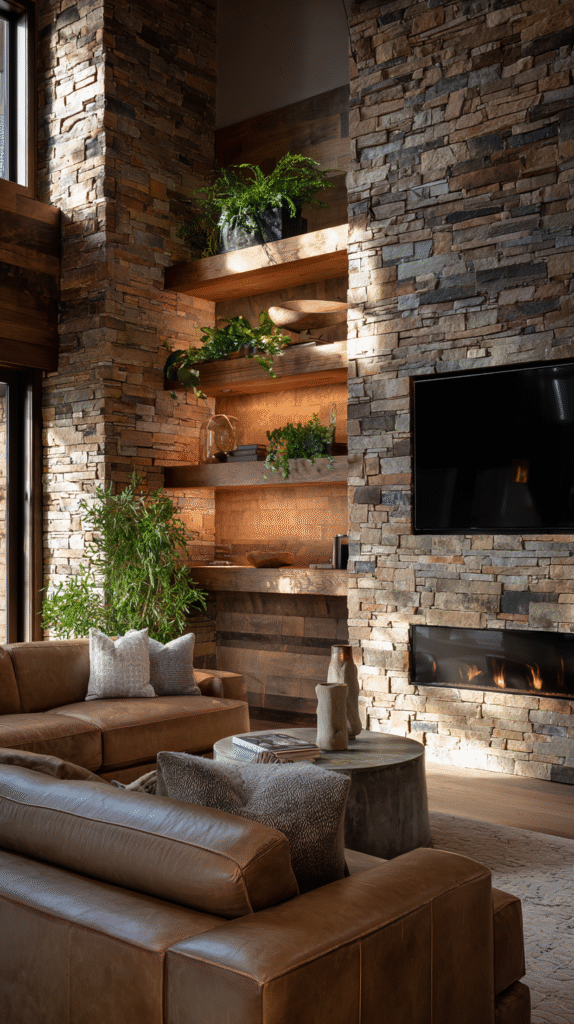
Choose stone types and installation patterns that complement your home’s architectural style and interior design aesthetic. Stacked stone offers contemporary appeal with clean lines, while natural fieldstone provides rustic character that works well in traditional or transitional room designs throughout various home styles.
Install proper mounting systems that accommodate the irregular surfaces common with natural stone applications while ensuring secure television attachment and proper cable routing behind textured surfaces. Specialized mounting hardware designed for masonry applications provides necessary security while maintaining clean installation appearances.
Include accent lighting that highlights stone textures and patterns while providing ambient illumination for evening entertainment viewing. LED strip lights installed behind floating shelves or within recessed areas create dramatic shadow effects that enhance natural material beauty without causing screen glare.
4. Minimalist Design Approaches That Emphasize Clean Lines
Streamlined media wall installations focus attention on content rather than storage systems through carefully considered design elements that maintain uncluttered appearances while providing essential functionality. These minimal approaches work particularly well in contemporary and modern interior design schemes where simplicity and clean lines take precedence over decorative elements.

Select entertainment furniture with simple geometric forms and minimal hardware that doesn’t compete visually with displayed artwork or architectural features throughout the room. Handleless cabinet doors and push-to-open mechanisms maintain smooth surfaces while providing necessary access to stored components and equipment.
Choose neutral color palettes that allow media wall installations to blend seamlessly with surrounding walls and architectural elements rather than creating strong visual contrast that draws attention away from entertainment content or room activities.
Include only essential storage components and display elements that serve specific functional purposes rather than decorative items that might create visual clutter or require ongoing maintenance and organization efforts.
5. Multi-Functional Storage Solutions That Organize Everything
Comprehensive storage systems address the complex organizational challenges presented by modern entertainment setups that include multiple gaming consoles, streaming devices, audio equipment, and media collections. Well-planned storage ensures easy access while maintaining sophisticated appearances that complement overall interior design goals.

Design storage compartments with specific dimensions that accommodate your current equipment while allowing flexibility for future technology upgrades and additions. Adjustable shelving systems provide adaptability as entertainment needs evolve over time while maintaining organized appearances.
Include dedicated areas for different types of media storage including physical movie collections, gaming accessories, remote controls, and charging cables that often accumulate around entertainment areas. Drawer dividers and organizational inserts maintain neat arrangements while ensuring frequently used items remain easily accessible.
Incorporate closed storage options that conceal less attractive components while providing open display areas for decorative objects or frequently accessed items that benefit from immediate visibility and access during daily use.
6. Lighting Integration That Creates Perfect Ambiance
Comprehensive lighting design transforms media walls from purely functional installations into sophisticated architectural features that enhance both daytime and evening entertainment experiences. Strategic illumination provides necessary task lighting while creating ambient atmospheres that support various viewing activities and social gatherings.
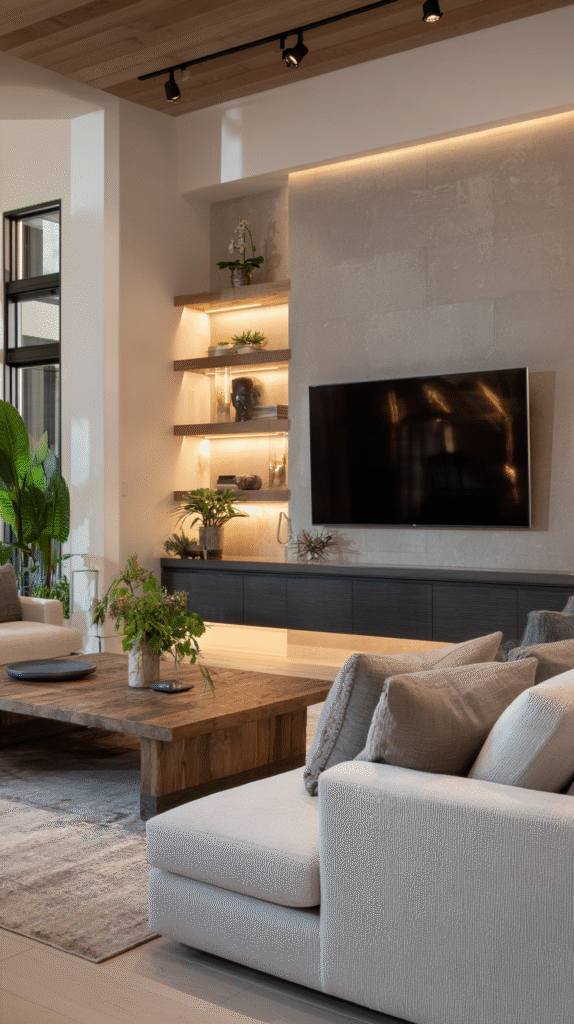
Install LED strip lighting behind floating consoles or within recessed areas that provide gentle backlighting without creating screen glare or interfering with optimal viewing conditions. Color-temperature adjustable systems allow customization for different content types and viewing preferences throughout various times of day.
Include accent lighting that highlights architectural details or displayed collections while contributing to overall room ambiance during entertainment activities. Track lighting or adjustable spotlights can showcase artwork or decorative objects while providing flexible illumination options.
Incorporate automated lighting controls that adjust illumination levels automatically based on viewing activities or time of day preferences. Smart lighting systems can dim ambient lights during movie viewing while maintaining adequate task lighting for other room activities.
7. Cable Management Systems That Eliminate Visual Clutter
Professional cable organization prevents the tangle of power cords and connection cables that often undermines otherwise sophisticated media wall installations. Proper cable management maintains clean appearances while ensuring reliable connections and easy access for equipment changes or troubleshooting needs.

Install dedicated cable channels or conduits that route all wiring behind walls or through furniture cavities where connections remain hidden from view while maintaining accessibility for maintenance purposes. Professional installation ensures compliance with electrical codes while preventing damage to expensive audio-visual equipment.
Use cable ties and organizational systems that group similar connections together while allowing individual cables to be traced and identified when changes or repairs become necessary. Color-coded labels help identify specific connections without requiring extensive tracing efforts.
Include power management solutions that provide adequate electrical capacity for all connected devices while incorporating surge protection that safeguards expensive equipment from electrical damage caused by power fluctuations or lightning strikes.
8. Fireplace Integration That Combines Warmth with Entertainment
Dual-purpose installations that combine entertainment centers with fireplace features create sophisticated focal points that serve multiple functions while maximizing wall space utilization. These combined applications work particularly well in living rooms where both entertainment and cozy atmosphere enhancement are desired features.

Plan installations that maintain proper clearances between electronic equipment and heat sources while ensuring optimal viewing angles for both television content and fireplace enjoyment. Professional consultation ensures all safety requirements are met while achieving desired aesthetic and functional goals.
Choose fireplace types that complement rather than compete with entertainment technology – electric fireplaces offer consistent flame effects without heat concerns, while gas units provide authentic ambiance with precise temperature control that won’t affect sensitive electronic components.
Include separate ventilation systems that prevent heat buildup around electronic equipment while maintaining comfortable room temperatures during fireplace operation and entertainment viewing activities.
9. Textured Wall Treatments That Add Visual Interest
Sophisticated wall treatments provide dimensional backdrops that enhance media wall installations while adding architectural character that prevents entertainment areas from appearing flat or purely functional. These textural elements create visual depth while maintaining focus on entertainment content and room activities.

Select wall treatment materials that complement your interior design style while providing practical benefits – wood slat walls offer contemporary appeal with acoustic properties, while fabric panels provide sound absorption that enhances audio quality during movie viewing and music enjoyment.
Install textural elements in patterns that create visual movement without causing distraction during content viewing – vertical installations can increase apparent ceiling height, while horizontal patterns emphasize room width and create calming effects that enhance relaxation during entertainment activities.
Include proper mounting systems that accommodate both wall treatments and electronic equipment while ensuring secure installation and easy access for maintenance or equipment changes when necessary over time.
10. Smart Home Integration That Controls Everything Seamlessly
Advanced automation systems transform media walls into sophisticated control centers that manage entertainment, lighting, climate, and security systems through unified interfaces that simplify daily living while enhancing convenience and energy efficiency throughout your home environment.

Install centralized control systems that integrate multiple home automation platforms while providing intuitive user interfaces that family members of all ages can operate confidently. Smart home hubs eliminate the need for multiple remote controls while enabling voice control and smartphone app management.
Include automated scenes that adjust multiple systems simultaneously – perhaps “Movie Night” settings that dim lights, adjust temperature, close window treatments, and activate surround sound systems with single command activation for enhanced user convenience and entertainment experiences.
Plan for future technology upgrades and additions that ensure your smart home investments remain current and functional as new devices and capabilities become available in the rapidly evolving home automation marketplace.