
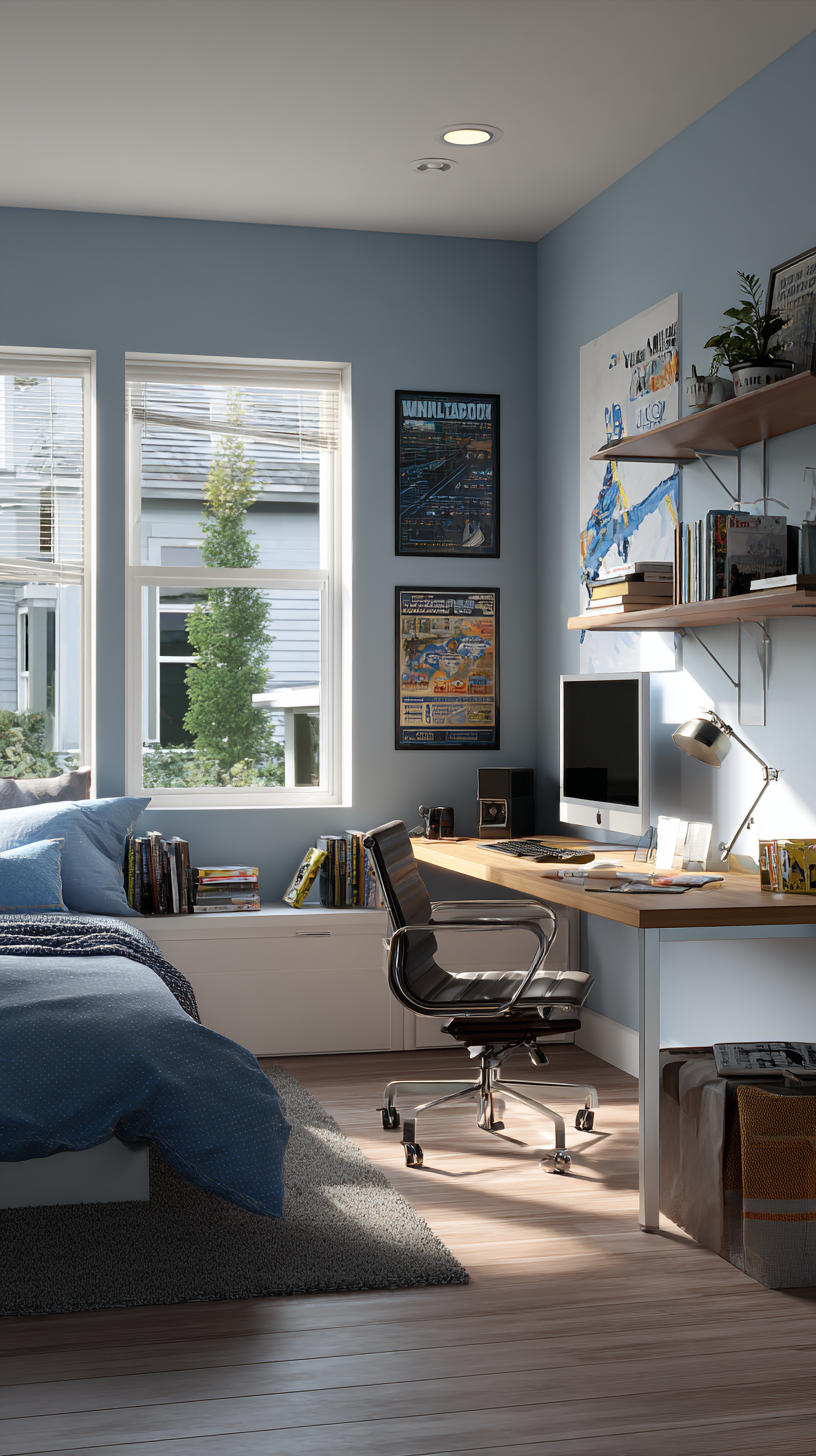
When I walk into a child’s bedroom that truly reflects their personality while supporting their daily needs, I’m always moved by how these special spaces can shape a young person’s relationship with their own private retreat. The most successful kids bedroom transformations begin with understanding that children need environments that feel both secure and inspiring – places where bedtime stories feel magical and morning wake-ups start with joy rather than resistance.
These carefully curated kids bedroom concepts demonstrate how durable materials, thoughtful storage solutions, and age-appropriate design choices create spaces that parents appreciate for their functionality while children love for their personality and comfort. From creative play zones that spark imagination to cozy reading corners that encourage quiet time, each inspiring approach offers practical wisdom for families seeking to create bedrooms that truly serve their child’s unique needs and interests.
1. Creative Play Zones That Spark Daily Imagination
The heart of any inspiring kids bedroom lies in dedicated play areas that encourage creativity while containing the natural chaos that comes with active childhood exploration. When I see bedrooms with well-planned play zones, I notice how these designated spaces help children understand the difference between sleep areas and activity areas while keeping toys organized and accessible.
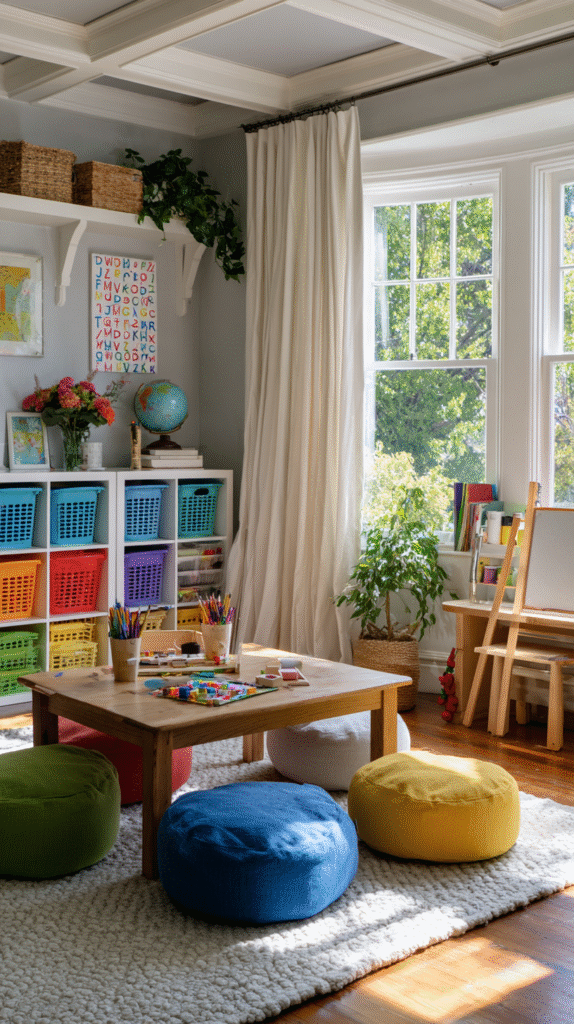
Design play zones with adequate floor space for various activities – building blocks require flat surfaces, while art projects need easy-to-clean areas with good lighting and storage for supplies. Consider your child’s current interests while planning for inevitable changes as they grow and develop new passions.
Choose flooring materials that support comfortable play while remaining practical for parents to maintain. Soft area rugs provide cushioning for floor activities, while washable materials accommodate spills and artistic accidents that are natural parts of childhood exploration and learning.
Include storage solutions that make cleanup feel manageable rather than overwhelming for young children. Low shelves allow independent access to toys, while labeled bins teach organization skills while making tidying feel like a game rather than a chore.
2. Cozy Reading Nooks That Encourage Quiet Time
Create intimate corners dedicated to reading and quiet reflection that help children develop lasting relationships with books while providing peaceful retreats from more active bedroom activities. When I encounter reading-friendly spaces in children’s rooms, I appreciate how these quiet zones can support both independent reading skills and calming bedtime routines.
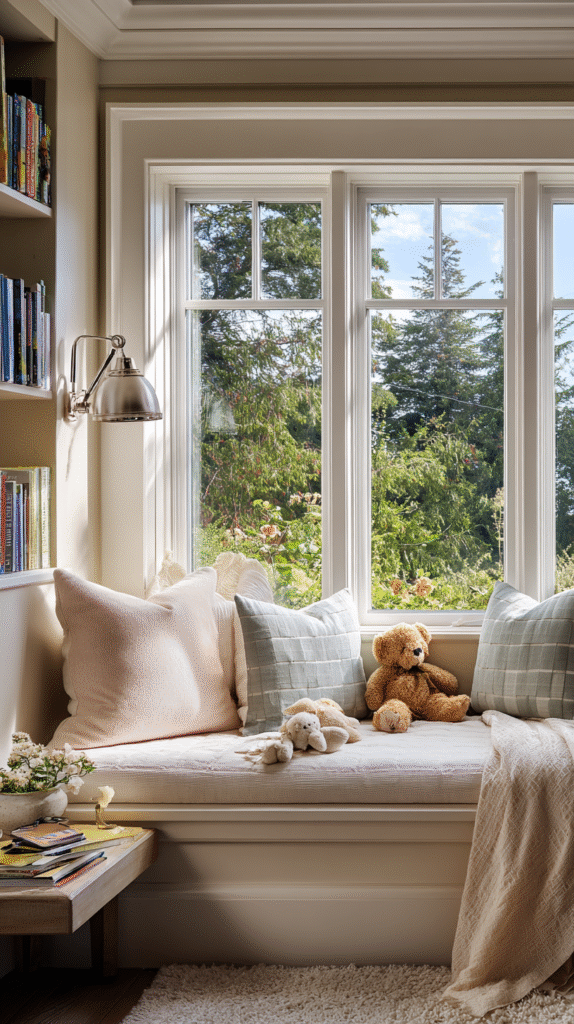
Position reading areas near natural light sources while ensuring comfortable seating that supports good posture during extended reading sessions. Window seats work beautifully when available, while floor cushions and bean bags provide flexible seating that children can arrange according to their preferences.
Choose lighting that prevents eye strain while creating cozy atmospheres that make reading feel special rather than like a chore. Reading lamps with adjustable brightness accommodate different times of day, while string lights can add magical ambiance that makes storytime feel enchanting.
Include bookshelf storage that keeps favorite titles easily accessible while displaying books in attractive ways that encourage browsing and selection. Forward-facing book displays work well for younger children who choose books by cover images, while traditional shelving accommodates larger collections as reading skills develop.
3. Growth-Adaptable Furniture That Evolves With Children
Select furniture pieces that accommodate changing needs as children grow from toddlers to teens, maximizing investment value while ensuring bedroom functionality remains appropriate for developmental stages. When I see bedrooms furnished with adaptable pieces, I’m impressed by how thoughtful planning can create spaces that feel right for years rather than requiring complete overhauls as children mature.
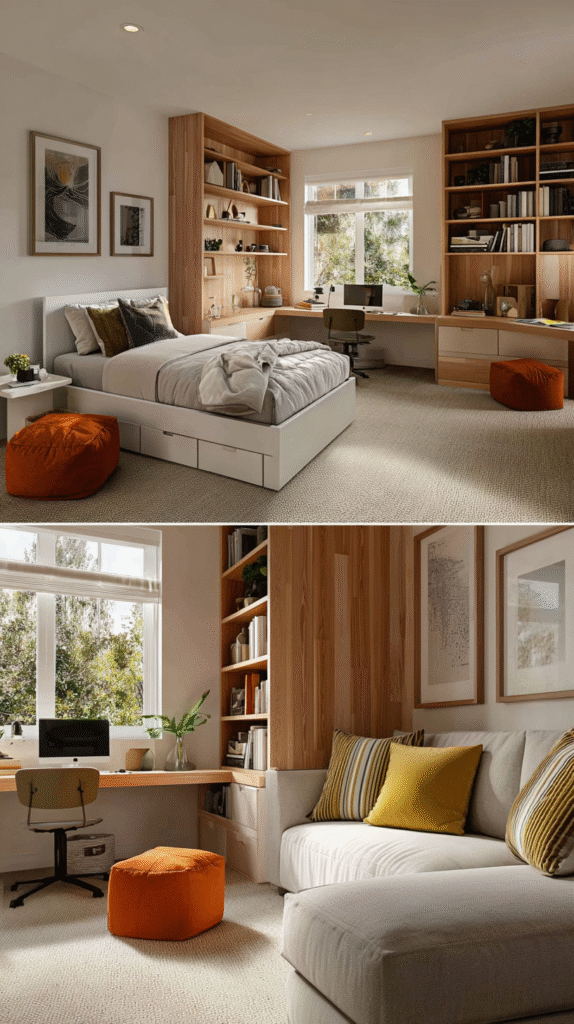
Choose bed frames that can transition from toddler height to standard adult dimensions, or consider bunk beds that serve multiple functions throughout different childhood phases. Quality construction ensures safety while providing lasting durability through years of active use and occasional rough treatment.
Select storage furniture that accommodates changing organizational needs – what holds toys today may store sports equipment tomorrow, while desk areas that support coloring activities can later accommodate homework and computer use as academic demands increase.
Include seating options that work for both children and visiting adults – parents need comfortable spots for bedtime stories, while children appreciate furniture scaled to their current size that helps them feel confident and independent in their personal spaces.
4. Theme Bedrooms That Reflect Personal Interests
Create immersive environments that celebrate your child’s current passions while remaining sophisticated enough to avoid overwhelming the space or becoming quickly outdated. When I encounter themed bedrooms that feel balanced rather than chaotic, I notice how selective theme integration can create magic without sacrificing good design principles.
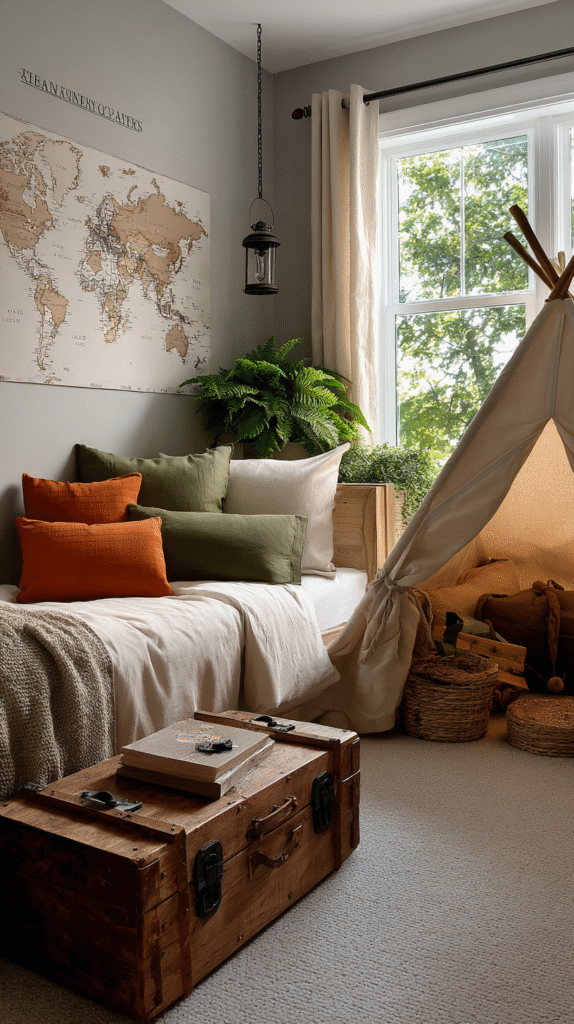
Choose theme elements that can be easily updated as interests evolve – wall decals and bedding change more affordably than painted murals or built-in features. Focus on a few key pieces that make strong statements rather than overwhelming every surface with theme-related items.
Select color palettes that support the theme while maintaining restful qualities necessary for good sleep. Bright accent colors work well when balanced with calmer base tones, while theme-related artwork can provide visual interest without creating overstimulation.
Include practical elements disguised within the theme – storage chests can become treasure chests, while reading areas might transform into secret hideouts that make quiet time feel adventurous rather than boring.
5. Shared Bedroom Solutions That Respect Individual Needs
Design spaces that accommodate multiple children while ensuring each child feels they have personal territory within the shared environment. When I see successful shared bedrooms, I’m struck by how thoughtful planning can create harmony rather than conflict while teaching important lessons about cooperation and personal space.
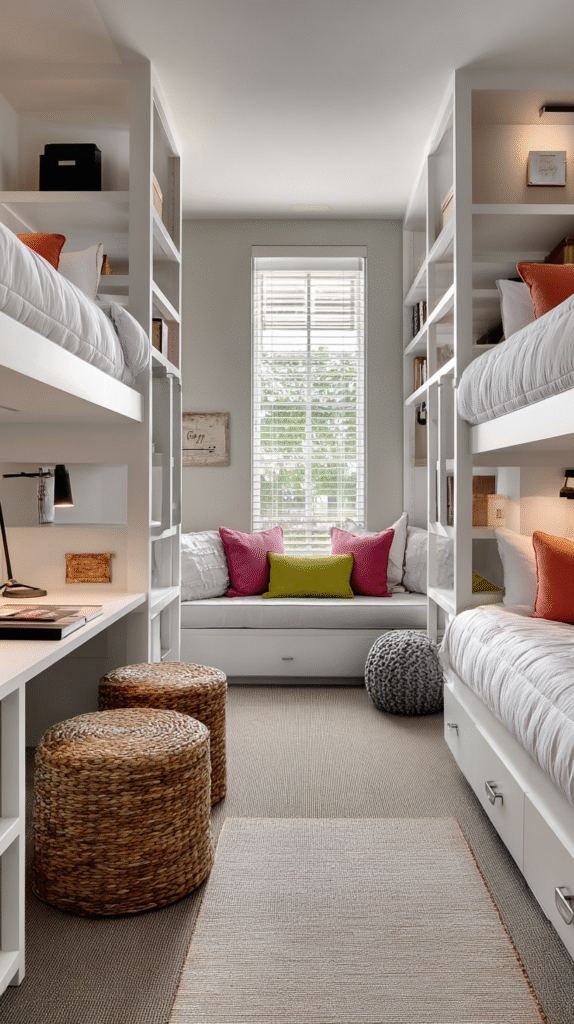
Create distinct zones for each child using furniture placement, color coding, or room dividers that provide privacy while maintaining the overall room flow. Each child should have dedicated storage and display areas for personal belongings that others understand are off-limits.
Choose bunk beds or space-saving furniture that maximizes floor area for shared activities while ensuring each child has private sleeping space. Safety considerations become paramount with elevated sleeping arrangements, while ladder access and ceiling height require careful measurement and planning.
Include shared activity areas that encourage cooperation alongside individual retreats where children can pursue separate interests without disturbing siblings. Common play zones work well for collaborative activities, while individual desk areas support different homework schedules and learning styles.
6. Storage Solutions That Make Organization Feel Natural
Implement comprehensive storage systems that teach children organizational skills while keeping bedrooms functional and clutter-free for both daily activities and restful sleep. When I encounter bedrooms with thoughtful storage solutions, I notice how these systems can reduce daily stress for both children and parents while creating habits that serve children throughout their lives.
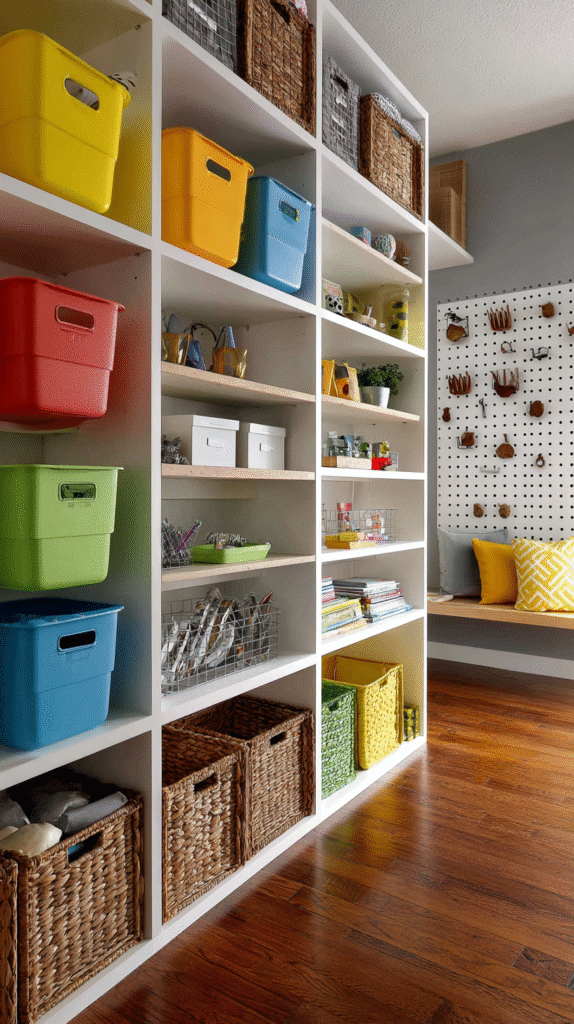
Design storage at appropriate heights for children to access independently – low shelves and bins encourage self-sufficiency, while higher storage can hold items that require adult supervision or seasonal items that aren’t needed daily.
Choose storage solutions that make sorting and organizing feel intuitive rather than complicated. Clear bins allow children to see contents easily, while color-coding and picture labels help pre-readers understand where items belong.
Include both open and closed storage options that accommodate different types of belongings – books and treasured items deserve display space, while less attractive necessities can remain hidden behind closed doors or in labeled containers.
7. Safety-First Designs That Protect Without Sacrificing Style
Prioritize child safety through thoughtful design choices that prevent accidents while creating beautiful spaces that support healthy development and independent living skills. When I evaluate children’s bedrooms, I always consider how safety features can be integrated seamlessly rather than appearing as obvious afterthoughts that detract from overall aesthetic appeal.
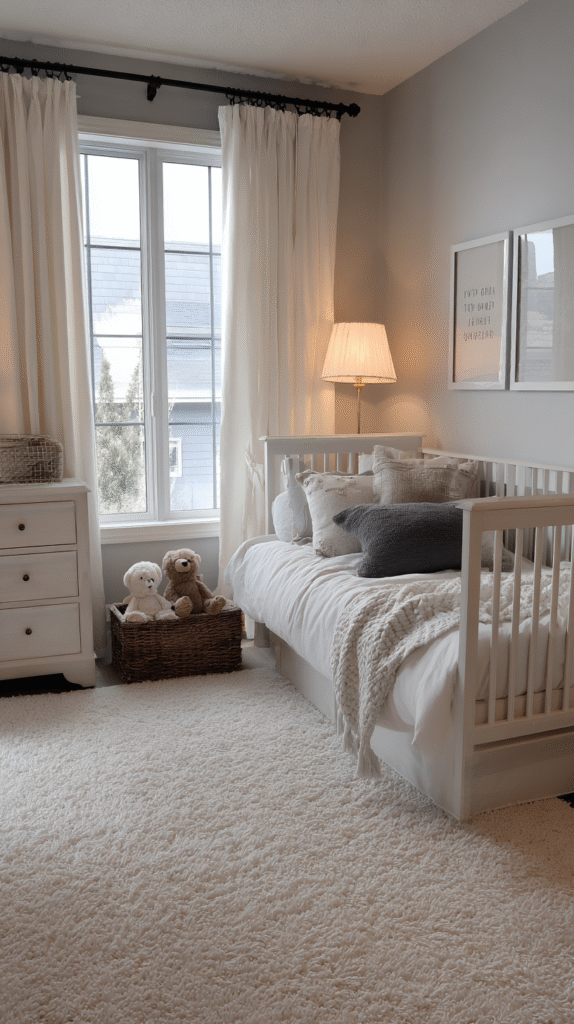
Select furniture with rounded corners and stable construction that can withstand active play without tipping or causing injury. Secure tall furniture to walls using appropriate anchoring systems, while ensuring all small parts and potential choking hazards remain out of reach of younger children.
Choose window treatments and electrical considerations that prevent accidents while maintaining room functionality. Cordless blinds eliminate strangulation risks, while outlet covers and cord management prevent electrical hazards without creating visual clutter.
Include appropriate lighting that prevents falls and supports various activities safely. Night lights help children navigate safely during nighttime bathroom trips, while adequate task lighting prevents eye strain during homework and reading activities.
8. Color Psychology Applications That Support Healthy Development
Use color strategically to create environments that promote both restful sleep and active play while supporting your child’s emotional and psychological development. When I consider color choices in children’s bedrooms, I think about how different hues can influence mood, energy levels, and overall wellbeing throughout various daily activities.
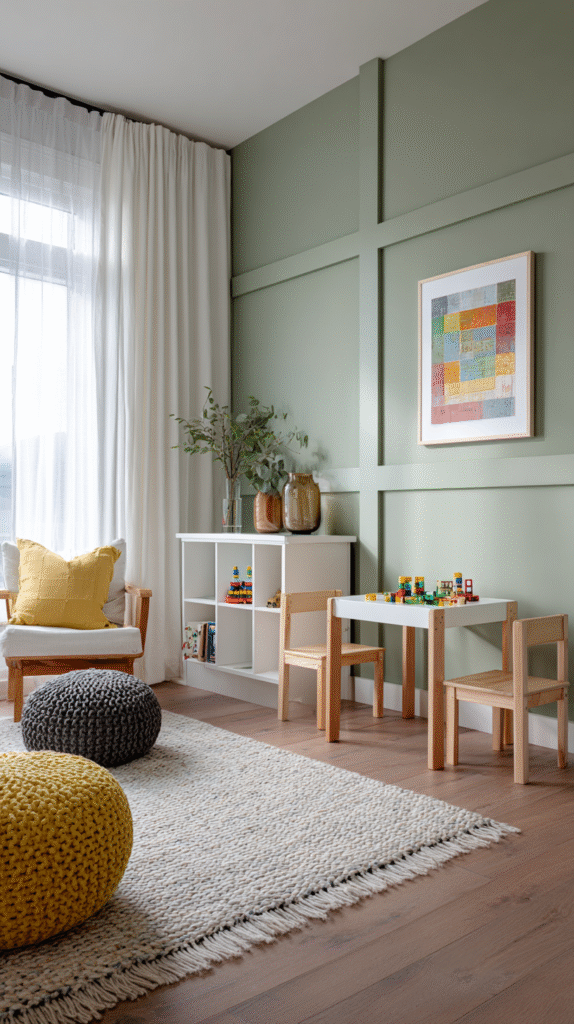
Choose base colors that promote calmness and rest – soft blues, gentle greens, and warm neutrals create peaceful backgrounds that support quality sleep while providing versatile foundations for colorful accent elements.
Include energizing accent colors in play areas while keeping sleeping zones more subdued. Bright yellows and oranges can stimulate creativity in activity corners, while these same colors might interfere with bedtime routines if used extensively near sleeping areas.
Consider your child’s personality and needs when selecting color schemes – highly energetic children might benefit from more calming environments, while shy children might feel more confident in spaces with cheerful, encouraging colors that boost mood and self-esteem.
9. Technology Integration That Balances Screen Time With Other Activities
Create spaces that accommodate necessary technology while encouraging diverse activities and preventing bedrooms from becoming entertainment centers that interfere with healthy sleep patterns. When I see bedrooms with thoughtful technology integration, I appreciate how these setups can support learning and creativity while maintaining appropriate boundaries.
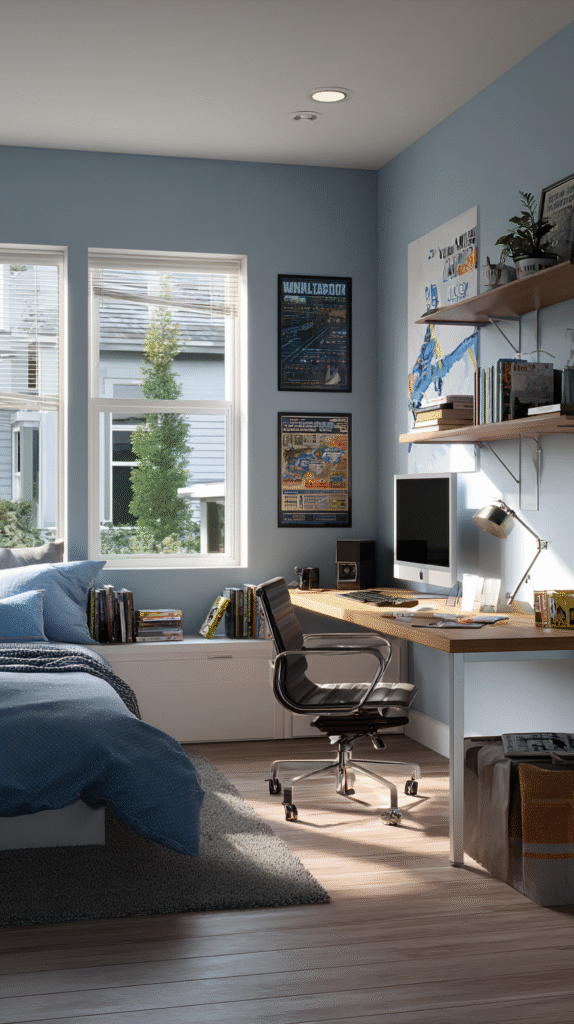
Designate specific areas for screen-based activities that remain separate from sleeping zones – desk areas work well for educational computer use, while charging stations can be located away from beds to prevent nighttime device temptation.
Choose furniture that supports good posture during screen use while hiding cords and technical equipment that can create visual clutter. Ergonomic seating prevents health problems, while built-in cord management maintains clean appearances.
Include timer systems and parental controls that help establish healthy technology habits while ensuring bedrooms remain primarily focused on rest, play, and personal reflection rather than passive entertainment consumption.
10. Personalization Elements That Celebrate Individual Identity
Include meaningful personal touches that help children feel ownership of their spaces while expressing their unique personalities and interests in age-appropriate ways. When I see bedrooms that truly reflect the children who live in them, I’m moved by how these personal elements can boost confidence and create emotional connections to home that last throughout life.
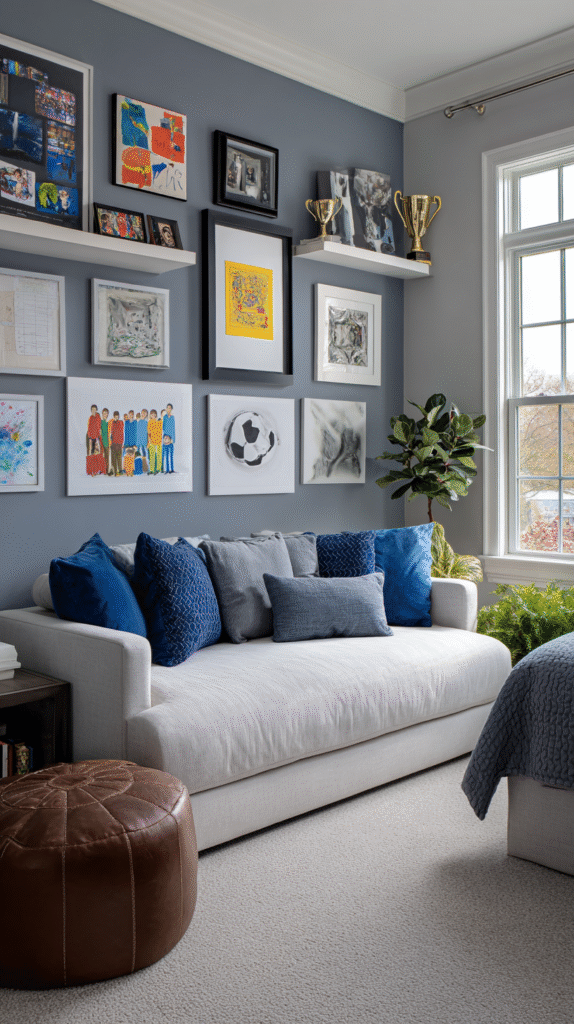
Display your child’s artwork, achievements, and treasured possessions in ways that show you value their efforts and interests. Rotating gallery walls keep displays fresh while ensuring all creations receive attention, while trophy shelves celebrate accomplishments without creating pressure.
Choose decorative elements that reflect your child’s current identity while remaining flexible for future changes. Removable wall decals, interchangeable artwork, and adaptable accessories allow for evolution without requiring expensive overhauls.
Include opportunities for children to make choices about their spaces – letting them select paint colors within appropriate options or choose between several bed linens helps them develop decision-making skills while feeling invested in their environment.



[…] you’re working with a child’s room, storage becomes even more critical. Check out these kids bedroom ideas that maximize play space while keeping clutter under […]